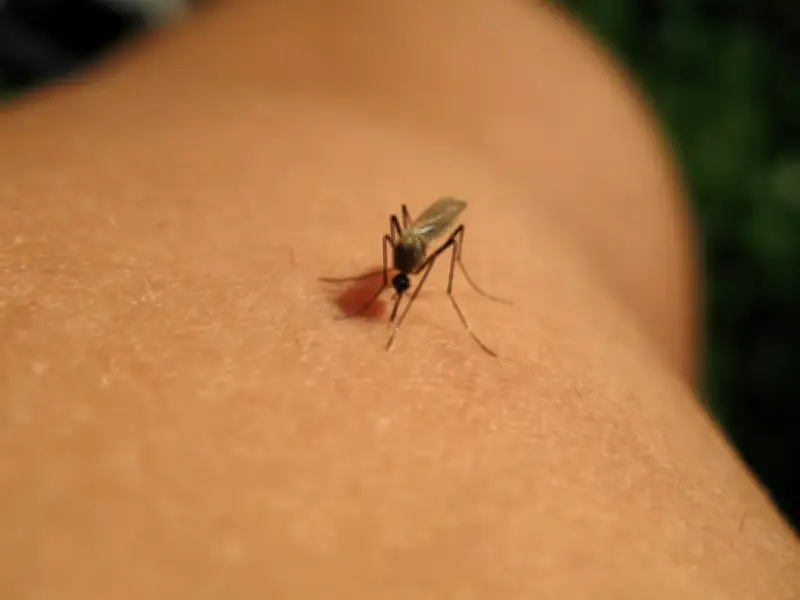
French health authorities have announced that a patient treated for the Shamonda virus at Hospices Civils de Lyon has died, marking the first known human case of the disease, which was previously thought only to affect cattle.
The authorities said they saw no risk to the general population at this stage. The Shamonda virus is an insect-borne Orthobunyavirus primarily affecting livestock, particularly cattle, and transmitted by biting midges.
Exceptional Case in Immunocompromised Patient
The Ministry of Agriculture described the case as "an exceptional case involving a severely immunocompromised patient." The leading hypothesis is that the patient may have been bitten by a Culicoides type midge in eastern France, where the virus had been circulating among animals during spring and summer 2026.
According to the authorities, "the cerebral complications observed in the immunocompromised patient before his death were very likely linked to infection with the Shamonda virus." Clinical, biological and epidemiological investigations are ongoing, involving expertise in human, animal and environmental health.
First Detection in Europe
The agency noted that despite decades of circulation of the Shamonda virus in Africa and Asia, no human cases had been documented until now. French health authorities have notified the World Health Organization (WHO) and the European Centre for Disease Prevention and Control (ECDC).
First detected in Nigeria during the mid-1960s, the disease has since been reported sporadically in cattle across West, East and Southern Africa, as well as in Japan. This summer marked the first time it was detected in Europe, including on cattle farms in France.
Spread Across Europe
In August, APHA said cattle in Jersey showed clinical signs consistent with those reported elsewhere in Europe and tested positive for the virus. The agency said: "This confirms the virus is present in the British Isles and in close proximity to Great Britain, highlighting the potential for further spread across north-west Europe." Cases were also reported in southern Germany, Switzerland and the Netherlands.
Cattle are considered the primary host, although sporadic infections in small ruminants and equines were also reported in France during the same period. In infected adult cattle, the main symptoms are fever, loss of appetite, watery or loose diarrhea and abdominal discomfort, and infected dairy cows typically sharply drop their milk production.