A Victorian-era skin disease outbreak has forced another hospital ward to close to visitors, just days after restrictions were lifted elsewhere at the same Welsh hospital. The Bryngolau Ward at Prince Philip Hospital in Carmarthenshire has had visiting restrictions imposed following an outbreak of scabies, a highly contagious parasitic infection that causes intense itching.
Restrictions Imposed Following Outbreak
Hywel Dda University Health Board confirmed the restrictions came into force on Friday, October 16, as health officials moved to prevent the infection from spreading further. The latest outbreak comes after visiting restrictions were lifted on Wards 4 and 7 at the same hospital following earlier cases of scabies.
The health board said: “Due to an outbreak of scabies, visiting to the Bryngolau Ward at Prince Philip Hospital is being restricted from today, Friday 16 October. The situation is being reviewed regularly and the risk to the wider public remains low.”
Understanding Scabies and Its Symptoms
Officials added that any patients recently discharged from the ward would be contacted directly. The health board said the health, safety and wellbeing of patients, visitors and staff remained its priority, adding that it was following national guidance and had taken additional steps to reduce the risk of infection spreading.
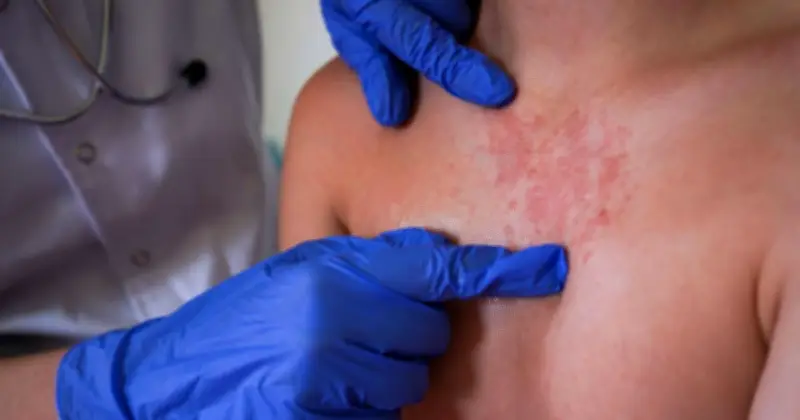
Scabies is caused by tiny eight-legged mites that burrow into the skin and lay eggs, triggering an allergic reaction that can cause an intensely itchy rash. The infection can spread quickly through prolonged skin-to-skin contact and is particularly difficult to contain when people live or spend time in close proximity.
Symptoms typically include severe itching, which is often worse at night, alongside a blotchy rash. The rash can appear between the fingers and around the wrists, elbows, knees and waist, but can also affect other parts of the body.
Treatment and Precautionary Measures
Crucially, symptoms do not always appear immediately. The NHS warns that it can take up to eight weeks for the rash to develop after someone is first infected, meaning the condition can be passed on before a person realises they have it.
Treatment is available through pharmacies and medical professionals, usually involving a prescribed or recommended cream or lotion applied across the body. Treatment generally needs to be repeated after seven days. Everyone in the affected household must be treated at the same time, even if they have no symptoms, to reduce the risk of reinfection.
People are also advised to wash clothing, towels and bedding at a high temperature and avoid close contact with others for the first 24 hours after starting treatment. Although treatment kills the mites, itching can continue for several weeks.
Wider Impact Across Welsh Hospitals
Prince Philip Hospital is not the only Welsh healthcare facility to have faced restrictions following scabies cases. Bronllys Hospital in Brecon previously imposed restrictions on its Llewelyn Ward after an outbreak, although visiting restrictions there have since been eased following a review.
Health officials have also reported increased numbers of people presenting with scabies acquired in the community, rather than infections necessarily being linked to hospital outbreaks. Despite the disruption caused by the latest outbreak, the health board has stressed that the risk to the wider public remains low.