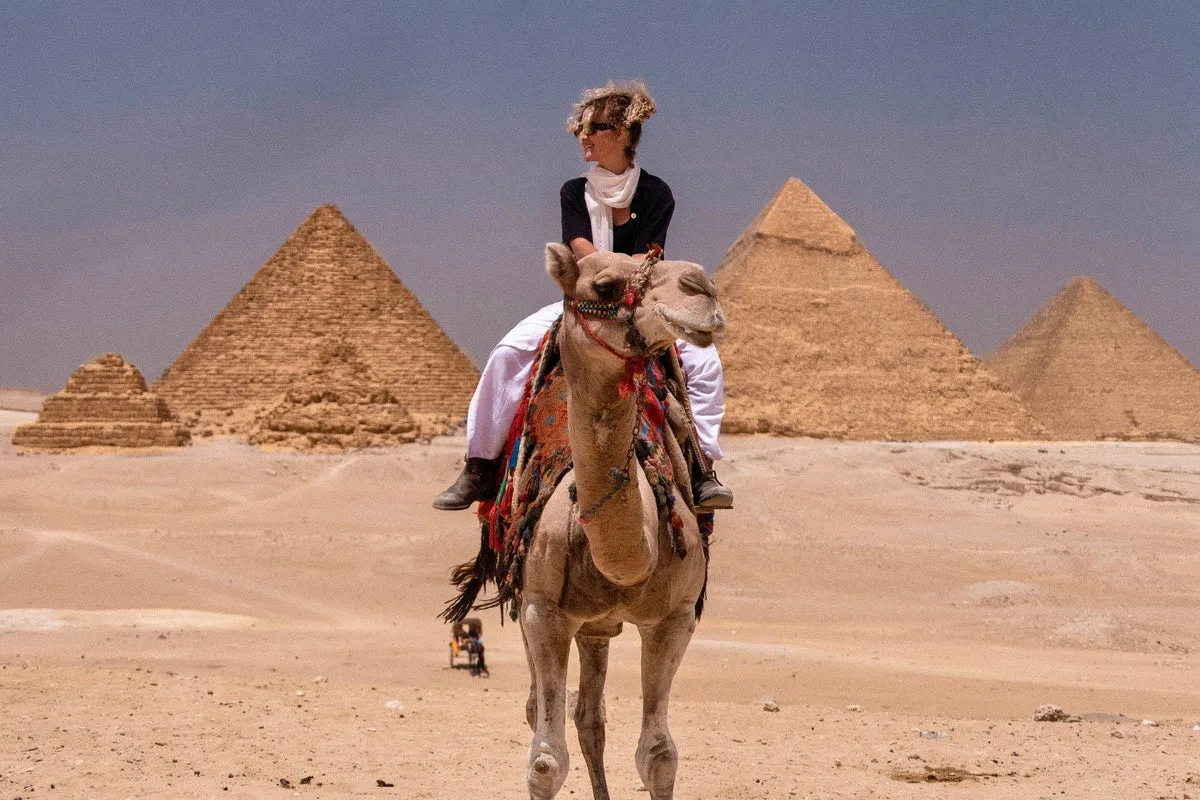
Expert Tips for Safe Hiking in Extreme Heat from a Marathon des Sables Veteran
Safe Hiking in Extreme Heat: Expert Advice

Having explored some of the most scorching environments on Earth, including living in Morocco's High Atlas Mountains and conquering the notorious Marathon des Sables, Alice Morrison understands the perils of heat exposure during outdoor activities. Here, she provides crucial advice for safely enjoying these challenging conditions.

The Dangers of Heat While Hiking

Travelers face numerous health risks when heatwaves strike, and these dangers can escalate during strenuous activities like hiking. In recent years, several tourists have tragically died while hiking in extreme heat on holiday. The most prominent case involved TV doctor Michael Mosley, whose body was discovered on the Aegean island of Symi after he embarked on a steep, rocky solo walk without a mobile phone. Such incidents underscore the critical need for precautions when hiking in heat, especially in rough terrain or unfamiliar holiday settings.

Morrison resides in the High Atlas Mountains of Morocco, where she regularly hikes from her home in all weather conditions. During summer, temperatures frequently climb into the high 30s Celsius and occasionally reach the 40s, with intense solar radiation due to the altitude.

Wide Pickt banner — collaborative shopping lists app for Telegram, phone mockup with grocery list

Her first encounter with strenuous exercise in extreme heat came when she registered for the Marathon des Sables, often dubbed the toughest race on Earth. This event consists of six marathons over six days across the desert, requiring participants to carry all their own food and equipment. The race always starts at 9:30 AM when the sun is already high, and the middle marathon is a double—52 miles across sand dunes. During her participation, the thermometer regularly hit 50°C.

Morrison still applies the hard-earned lessons from that experience to hot weather hiking in any terrain.

Health Considerations and Risks

If you have an underlying health condition that compromises circulation, hiking in intense heat is not advisable. However, even healthy individuals face risks. One major danger is heatstroke, where the body loses control of its temperature, sweating fails, and cooling mechanisms stop. This can happen surprisingly quickly, with body temperature spiraling out of control within 10 to 15 minutes. In severe cases, heatstroke can lead to organ failure and cardiovascular collapse.

Another potentially fatal issue is dehydration, which can cause kidney failure. This occurs when the body loses more fluid than it takes in, impairing function. Dehydration is particularly hazardous in mountainous areas, where the risk of falls is higher and medical help is often far away.

Heat can also be more intense in hills or mountains. At higher altitudes, the thinner atmosphere filters less UV radiation. For every 1,000-meter increase in altitude, UV levels rise by approximately 12 percent.

Time of day is another critical factor. On long day hikes, you cannot avoid the midday heat, but the most intense period is actually between 3 PM and 6 PM. This is because atmospheric gases continue to absorb heat from direct sunlight and ground surfaces radiating energy back into the air.

Essential Precautions for Hiking in Heat

Never Hike Without Water

First and foremost, carry sufficient water. Morrison recommends at least three liters for a full day of hiking and never goes on a walk of an hour or more with less than one liter. Although one liter weighs about one kilogram, it is worth the effort. And remember to drink it! A CamelBak hydration system is excellent for constant fluid intake.

Bring Electrolytes

Using electrolytes or salt tablets is highly recommended as they replenish what you lose through sweat. During the Marathon des Sables, Morrison took one salt tablet every half hour, and for any hike of four hours or more, she always carries a couple of electrolyte tablets.

Cover Up

You will never see locals from hot, arid climates wearing skimpy shorts and vests. Cover up with long sleeves and long trousers. Exposed skin loses more moisture and is prone to sunburn, which can lead to sunstroke. Also, bring warm clothes for when you stop, as your elevated body temperature can cause rapid chilling. Technical hiking clothes made from wicking materials, whether synthetic or Merino wool, are ideal.

Pickt after-article banner — collaborative shopping lists app with family illustration

Protect Your Head

A cap and something to cover the back of your neck are essential. If the sun is intense, wetting a scarf or light towel and placing it over your cap can provide relief, even if it is not stylish.

Safety Equipment and Communication

Always carry a fully charged mobile phone and inform someone of your route and expected return time. For solo hikes, a satellite tracker is a wise investment, allowing someone back home to monitor your location and movement. A first aid kit with rehydration salts is also necessary. Since mobile phones can lose battery or signal, traditional map and compass skills are invaluable—ensure you know how to use them.

Take Action Early

If you start feeling queasy, dizzy, or disoriented, stop immediately. Find or create shade and rest. Eat something sweet like a biscuit, dates, or raisins, and sip water. Take an extra salt or electrolyte tablet. Wet something and place it on your head and face, cool your neck and inner wrists, breathe deeply, and calm your mind and body. If after 10 minutes you still feel unwell, call for help.

Morrison is a strong advocate for enjoying the outdoors, but emphasizes the need for preparation and proper equipment. If you have any doubts, consider postponing your hike. As tragic cases have shown, hiking in heat can have devastating consequences.

Follow Alice Morrison's adventures at @aliceoutthere1.

This article was first published in June 2024 and has been revised and updated.




