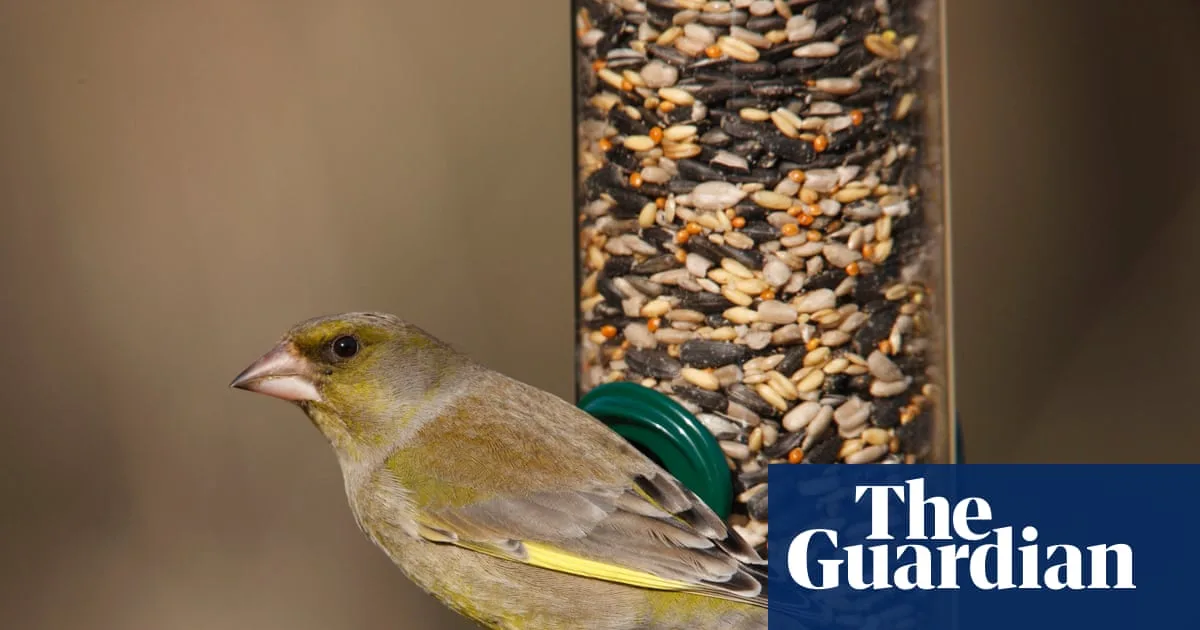
The Royal Society for the Protection of Birds (RSPB) is urging households across the United Kingdom that regularly feed wild birds in their gardens to consider a temporary halt. This guidance is intended to curb the transmission of an infection that has significantly impacted certain bird populations.
Seasonal Feeding Advice
The RSPB recommends stopping the use of seed and peanut feeders from May 1 through October 31. Doing so can help combat the spread of trichomonosis, a parasitic disease that has led to severe declines in greenfinch and chaffinch numbers. Between May and October, the concentration of birds at feeders can accelerate disease transmission. The charity suggests offering only small amounts of mealworms or suet during this period and maintaining rigorous cleanliness.
On its official website, the RSPB states: "We can help stop the spread of disease among garden birds by making two simple shifts to how we feed birds. Put simply: Feed seasonally. Feed safely." The organisation explains that during summer and autumn, the risk of disease spreading is higher, but natural food sources such as seeds and insects are more abundant.
What to Feed and When
From May 1 to October 31, the RSPB advises people to "pause filling bird feeders with seeds or peanuts." However, it adds: "You can continue to offer small amounts of mealworms, fatballs or suet." These high-energy foods are less likely to harbour the parasite and provide essential nutrition for nesting birds. This updated guidance follows extensive research indicating that warm-weather feeding significantly increases disease spread. Normal feeding practices can resume from November 1 to April 30, when the RSPB recommends providing a full range of bird foods, including seeds and peanuts.
Hygiene and Feeder Placement
To further reduce infection risks, the RSPB advises washing bird feeders weekly and rotating their positions in the garden to prevent the accumulation of contaminated waste. Bird tables and tray feeders should be avoided as they can collect germs. Additionally, bird baths should be cleaned weekly, and the water replaced daily with fresh tap water.
Understanding Trichomonosis
Garden bird trichomonosis is caused by the protozoan parasite Trichomonas gallinae. This parasite causes lesions in the throat, making it difficult for birds to swallow food and water. Affected birds often lose weight and may starve to death. The disease spreads through regurgitated food and saliva, either directly from parent to chick or indirectly via contaminated food or water.
While trichomonosis has been reported in various garden birds, finches are particularly vulnerable, according to the RSPB. Studies show that Chaffinch and Greenfinch survival rates are lower in suburban areas compared to rural ones, suggesting that garden feeding may play a role.
Signs of Illness
Birds infected with trichomonosis may exhibit lethargy, ruffled feathers, drooling, vomiting, difficulty swallowing, or heavy breathing. Finches often have wet, messy feathers around the face and food stuck to their beaks. The RSPB encourages birdwatchers to report any suspected cases to help monitor the disease.






