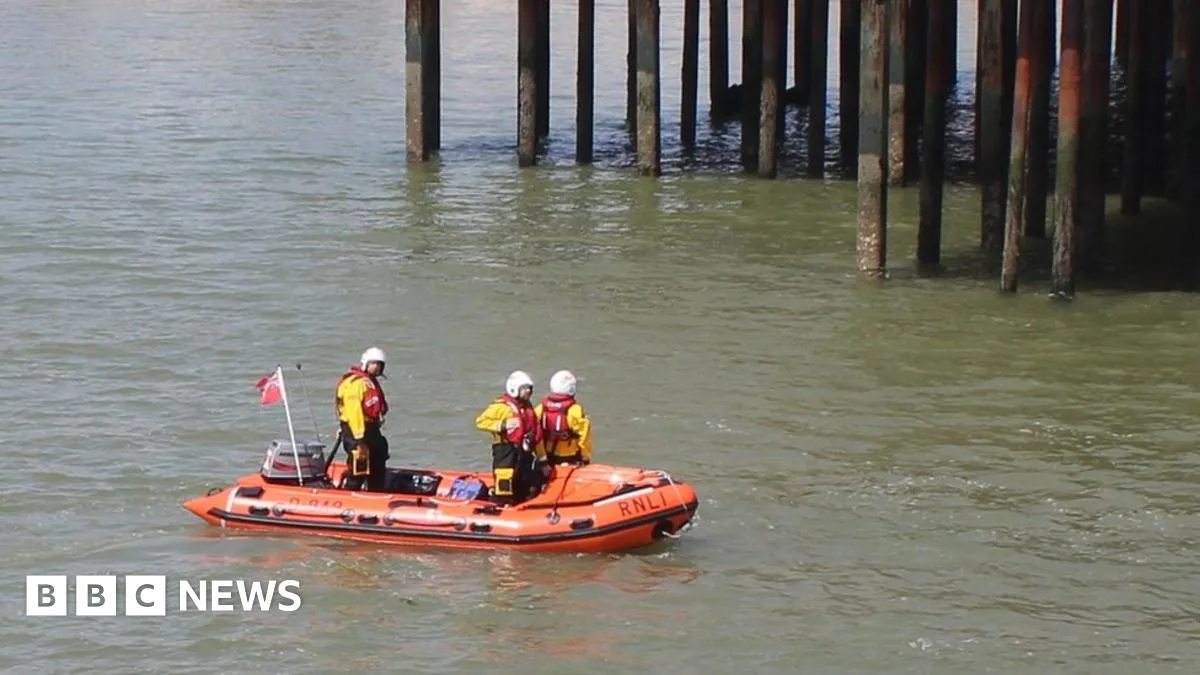
The Royal National Lifeboat Institution (RNLI) issued a stark warning to Generation Z about underestimating coastal dangers—just days before four British teenagers lost their lives in water-related incidents over the weekend. The tragedies, which occurred across the UK and Ireland, have underscored the critical importance of water safety as the country experiences a heatwave.
Weekend Water Tragedies
Five teenagers died after getting into difficulty in open water during the long weekend. Among the victims was 15-year-old Declan Sawyer, whose body was discovered during a search of Swanholme Lakes near Lincoln. Another victim, a 13-year-old boy named locally as Reco, drowned in Leadbeater Dam near Halifax, West Yorkshire. Police also recovered the body of an unnamed teenager who went missing in water at a country park in Rotherham, South Yorkshire, and an unnamed girl died at Kingsbury Water Park in Warwickshire. In Ireland, 15-year-old Abbie Carmody-Pepper lost her life while bathing at Burrow Beach in Sutton, Dublin.
RNLI's Float to Live Campaign
The RNLI had launched its "Float to Live" campaign just before the heatwave, specifically targeting young men, who are most at risk of drowning. In a video fronted by British adventurer and Celebrity Hunted star Jordan Wylie MBE, the organisation demonstrated the life-saving technique. Wylie said: "If you get into trouble in the water, float to live. Tilt your head back with your ears submerged. You must relax, and try to breathe normally. Move your hands and legs in order to stay afloat. It's fine if your legs sink—we all float differently. You can also practice floating in a local pool if you can, but if you remember one thing this summer, remember, float to live."
Safety Advice for Beachgoers
With the warm weather continuing into half term, the RNLI urged everyone heading to the coast to follow vital safety advice. Bob Taylor, Bridlington RNLI volunteer Water Safety Officer, said: "We know that there will be a huge amount of people visiting open water and the coast over the coming months and we want everyone to remember our Float to Live advice. Instinctively, most people who find themselves struggling in the water will begin to panic, swim, or thrash about. We're urging people to ignore this instinct and remember to float: Tilt your head back, with your ears submerged. Relax and try to breathe normally. Move your hands and legs to help you stay afloat if you need to. It's fine if your legs sink—we all float differently. By doing this, you give yourself the chance to rest and recover your breathing. Once you've regained control of your breathing, you can call for help or swim to safety."
Cold Water Shock Warning
The RNLI also warned about cold water shock, which can occur when the body is exposed to water temperatures of 15°C or below. During such shock, people can lose control of their breathing and movement, and heart rates and blood pressure can surge, increasing the risk of heart attacks. With average sea temperatures at just 12°C and rivers and lakes even colder, the Float to Live technique can be crucial.
What to Do If You See Someone in Trouble
The RNLI advised anyone witnessing a person struggling in the water to call 999 for help, tell them to stay calm and float on their back, and throw rescue equipment to help them float until emergency services arrive.
The organisation highlighted that in 2024 alone, 193 people died in accidental drowning incidents, with 84% of victims being men aged between 20 and 29. As the heatwave continues, the RNLI's message remains clear: Float to Live.






