
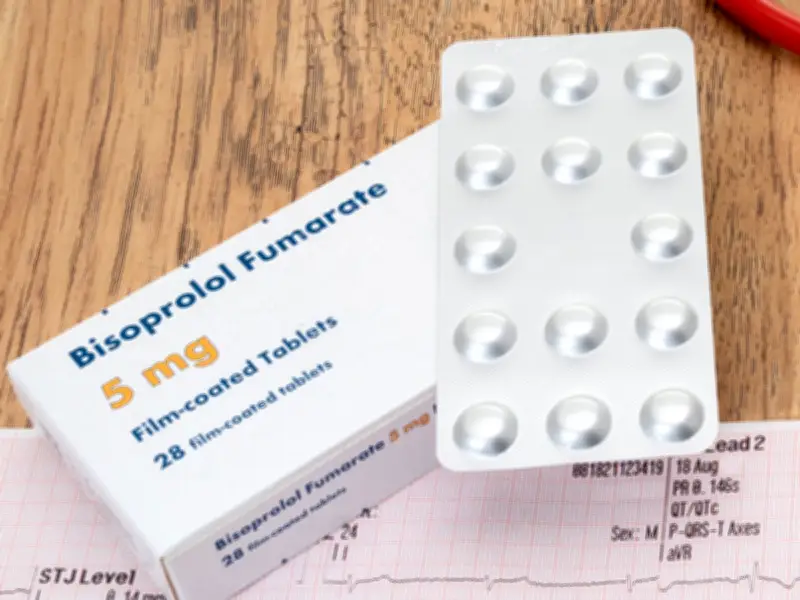
Superintendent pharmacist Robert Bradshaw of Oxford Online Pharmacy has issued a warning to millions of people with high blood pressure who take medications such as beta blockers and diuretics. With the UK set to experience a major heatwave, with temperatures exceeding 35°C and reaching up to 38°C in some areas, those on these drugs face increased health risks.
Heatwave Alert and Medication Risks
The Met Office has issued an Amber Extreme Heat Warning from Monday through Thursday, with temperatures widely exceeding 35°C. According to the British Heart Foundation, more than 50 million prescriptions for beta blockers are written each year in the UK, with around two million people using them to manage hypertension and other circulatory problems. Diuretics are also commonly prescribed for heart failure and high blood pressure, often in combination with beta blockers.
How Heat Affects Blood Pressure Patients
Bradshaw explains: "High temperatures and humidity can be a bad combination for anyone who suffers from high blood pressure, as the hot weather causes the heart to beat faster, circulating twice as much blood around the body. Also, some blood pressure medications like beta blockers and diuretics can affect the body’s ability to stay hydrated or respond to high temperatures." He urges patients to drink plenty of fluids, stay out of the sun, keep cool, and wear a hat when outdoors.
Monitoring and Symptoms to Watch For
The pharmacist advises monitoring blood pressure regularly during the heatwave. "If it’s high or you are experiencing any worrying symptoms like extreme tiredness or confusion, a rapid pulse, excessive sweating, headaches, swelling in your arms and legs or nausea, seek urgent emergency medical advice," he says. Dehydration can raise internal body temperature, leading to heat stroke. Signs include sweating, cold clammy skin, dizziness, fainting, muscle cramps, heat rash, ankle swelling, rapid or shallow breathing, nausea, and vomiting.
Special Advice for Angina and Heart Failure Patients
The British Heart Foundation warns that GTN spray for angina can dilate blood vessels quickly, causing a sudden drop in blood pressure and fainting. For heart failure patients, staying cool is crucial. If fluid intake is restricted, patients should consult their GP about other cooling methods. Those taking water tablets who feel dizzy or light-headed should inform their doctor, as medication may need review.




