
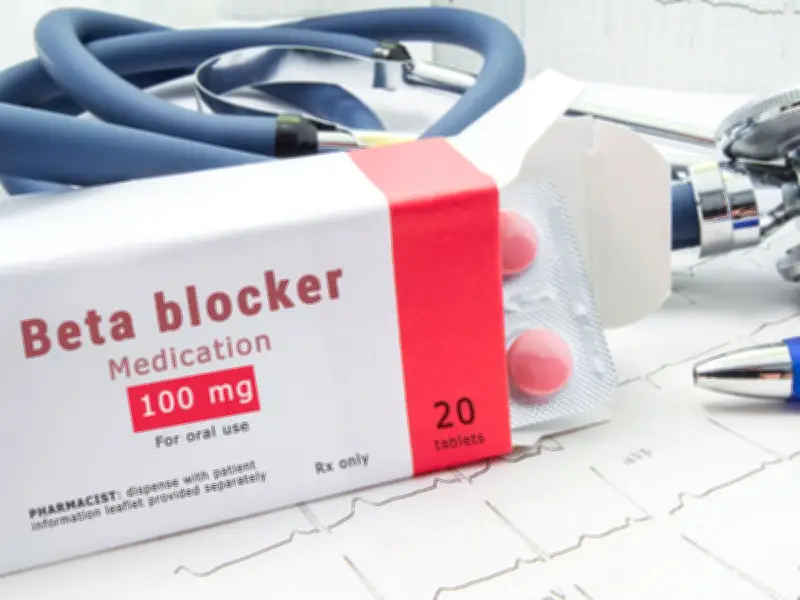
A pharmacist has issued a warning to millions of people taking high blood pressure medication, including beta blockers and diuretics, as the UK braces for a heatwave with temperatures expected to exceed 35°C.
Heatwave Alert and Medication Risks
The Met Office has declared an Extreme Heat Warning, with temperatures predicted to reach 38°C in some areas. This poses particular risks for the millions of Britons who take beta blockers or diuretics for hypertension or heart conditions. According to the British Heart Foundation, over 50 million prescriptions for beta blockers are issued annually in the UK, affecting approximately two million people.
Beta blockers work by reducing heart rate and restricting cardiovascular reactions like blood vessel dilation, which are essential for cooling the body. This can impair the body's ability to regulate temperature during hot weather. Common beta blockers that affect temperature regulation include propranolol, metoprolol, atenolol, and bisoprolol.
Pharmacist's Advice
Superintendent pharmacist Robert Bradshaw of Oxford Online Pharmacy has cautioned people with high blood pressure to "watch out" for health issues triggered by hot weather. He stated: "High temperatures and humidity can be a bad combination for anyone who suffers from high blood pressure, as the hot weather causes the heart to beat faster, circulating twice as much blood around the body. Also, some blood pressure medications like beta blockers and diuretics can affect the body's ability to stay hydrated or respond to high temperatures."
Bradshaw advises patients to consume adequate fluids, avoid the sun, remain in cool settings, and wear a hat if going outside. He also recommends monitoring blood pressure regularly during the heatwave and seeking urgent medical advice if symptoms like extreme tiredness, confusion, rapid pulse, excessive sweating, headaches, swelling in arms or legs, or nausea occur.
Impact on Heart Conditions
The British Heart Foundation warns that those using GTN spray for angina should take extra care in hot weather, as it can cause a sudden drop in blood pressure and fainting. For heart failure patients, staying cool is crucial. If fluid intake is restricted, they should consult their GP about alternative cooling methods. Those taking water tablets (diuretics) who feel dizzy or light-headed should inform their doctor, as medication may need adjustment.
Signs of Heat Stroke
Dehydration can elevate core body temperature, leading to heat stroke. Symptoms include sweating, cold clammy skin, dizziness, fainting, muscle cramps, heat rash, swollen ankles, rapid or shallow breathing, nausea, and vomiting. Immediate medical assistance is required if heat stroke is suspected.




