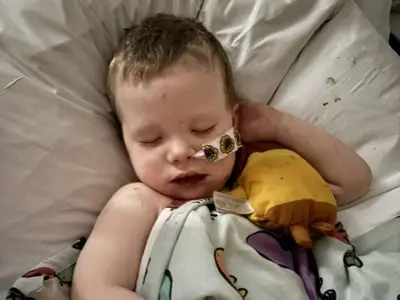
A North East mum is campaigning to raise awareness of a preventable lifelong condition affecting her adopted son. Palma Ryan, who lives outside Durham, is speaking out during FASD Month and ahead of International FASD Day on September 9.
Her son Harry, nine, was diagnosed with Foetal Alcohol Spectrum Disorder (FASD), which is caused when a pregnant woman drinks alcohol and can result in a range of physical and mental health issues.
Challenging stigma around FASD
For Palma, challenging the stigma around FASD is vital. She said: “There’s often a delay to children being diagnosed with FASD or accessing the support that they need because people don’t feel they can be honest about drinking in pregnancy for fear of judgement and stigma. This benefits no one and we need to change that.”

Harry, adopted by Palma when he was two, is “loving and affectionate” but lives with challenges including short-term memory loss, a lack of awareness of danger and difficulty regulating emotions. Palma added: “Harry has the physical facial features of FASD including smaller eyes and a flat philtrum so as soon as we met his consultant she suggested he may have the condition.” The philtrum is the area between one's upper lip and nose.
Health leaders speak out
Studies suggest that at least 3.6% of the UK population may be affected by FASD, and health guidance is to avoid drinking at all during pregnancy to minimise risk.
Dr Sarah Mills, a paediatric consultant specialising in community child health and designated doctor for safeguarding at the South Tyneside and Sunderland NHS Trust, first diagnosed Harry. She said: “Raising awareness of how Foetal Alcohol Spectrum Disorder affects people of all ages is so important. FASD Month gives us an opportunity to have more conversations about the condition across the North East.”
“FASD is a lifelong condition that can have a significant impact on a person's health, wellbeing and daily life. Life expectancy is just 34 years old. That is a shocking statistic for a preventable condition.”
“Despite this, awareness remains low and I know that many families face challenges in getting a diagnosis and accessing the help they need for the child. As awareness grows, I hope more children and families will be able to get the right support at the right time.”
“We know we can make a difference if people have a better understanding of the risks of drinking during pregnancy and if women and families receive that compassionate support without judgement.” Dr Mills said her hope was to encourage families, health bosses and anyone affected by FASD to speak about it and help push changes to improve services and support.
Calls for clearer warnings
Susan Taylor, head of alcohol policy for the Fresh and Balance campaigns, said: “FASD is preventable, but increasing awareness requires support, understanding and accurate information so that more women and families are informed about this.”
“Many women don't realise they're pregnant straight away, and it's natural to feel worried if you've had a drink before finding out. The important thing is not to blame yourself. If you're pregnant or think you might be pregnant, stopping drinking now can help reduce any further risk, and your midwife or healthcare team will be able to offer advice and support if you have any concerns.”
“FASD Month is an opportunity to talk openly about alcohol and pregnancy, help people understand the risks, and ensure families affected by FASD can get the support they need. Partners, family members and wider support networks also have an important role to play.” Balance is calling for warning labels to be placed on alcohol, including clear highlighting of the risks posed by drinking during pregnancy.
Dr Helen Howlett, Senior Head of Research and Evaluation at the North East and North Cumbria Integrated Care Board (ICB), FASD Specialist and Women’s Health Champion, said: “Alcohol in pregnancy can cause lifelong harm, yet this issue does not receive the attention it deserves.”
“Foetal Alcohol Spectrum Disorder (FASD) is the most common cause of non-genetic learning disability in the UK. It is more prevalent than Autism, yet very few children and young people with FASD are identified, diagnosed, or supported, and many people just aren’t aware of it.”

“We need a clear message to help women give their baby the best start in life by avoiding alcohol completely if they are pregnant or about to conceive.”