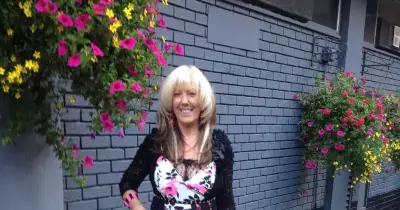
A mother of three says she is running out of time to get treatment for a rare condition that took the lives of both of her brothers. Becca Barnes was a teenager when her 19-year-old brother, Dan, died from Friedreich Ataxia in 2009. Five years later, she lost her eldest brother, Chris, who died from the disease at age 29.
After Chris's death, Becca received the news that she too was a carrier after undergoing a test. For nearly a decade, Becca, 32, has kept her diagnosis relatively private, but symptoms for the deadly disorder are beginning to show.
Symptoms beginning to show
"You always think you've got time," she told the Manchester Evening News. "I'm showing more symptoms and I'm thinking 'wow, it's actually real.' It's always been this thing in the back of my head that I never fully admitted and accepted to because I didn't have to, but now I do."

"I get anxiety now going into pubs and stuff, they'll think I'm drunk because I walk like I'm drunk," she added.
Friedreich Ataxia damages the spinal cord, peripheral nerves, and the cerebellum part of the brain. This can lead to issues with movement and sensory faculties. Symptoms include difficulty walking, poor balance, loss of feeling in arms, legs or other parts of the body, trouble speaking, slurred speech, loss of hearing, vision, fatigue and more.
Everyday struggles
Alongside work and three children, life has become more of a struggle for the mum from Bury. She explained: "It affects my everyday life, going to the shop and grabbing bottle of milk. Basic things that you take for granted, that you don't even realise other people actually have to think about."
A drug for the condition, known as omaveloxolone, is already used in the US and parts of Europe. In 2025 it was given regulatory approval, but remains unavailable on the NHS. In private care it costs around £250,000 a year.
Fundraising for treatment
Becca is fundraising to access the treatment privately and wants to raise awareness with her story to push a petition calling for the drug to be made available on the NHS.
"Now, it's a lot more known, but it's bittersweet," she said. "I've got it myself so I need it, I need the awareness, I need the medication. It's just sad that it wasn't an option for my brothers."
"We're not asking for a miracle, it isn't a cure, it's not going to make me what I was like five years ago. But I'm not asking for much, I'm just asking to be here."