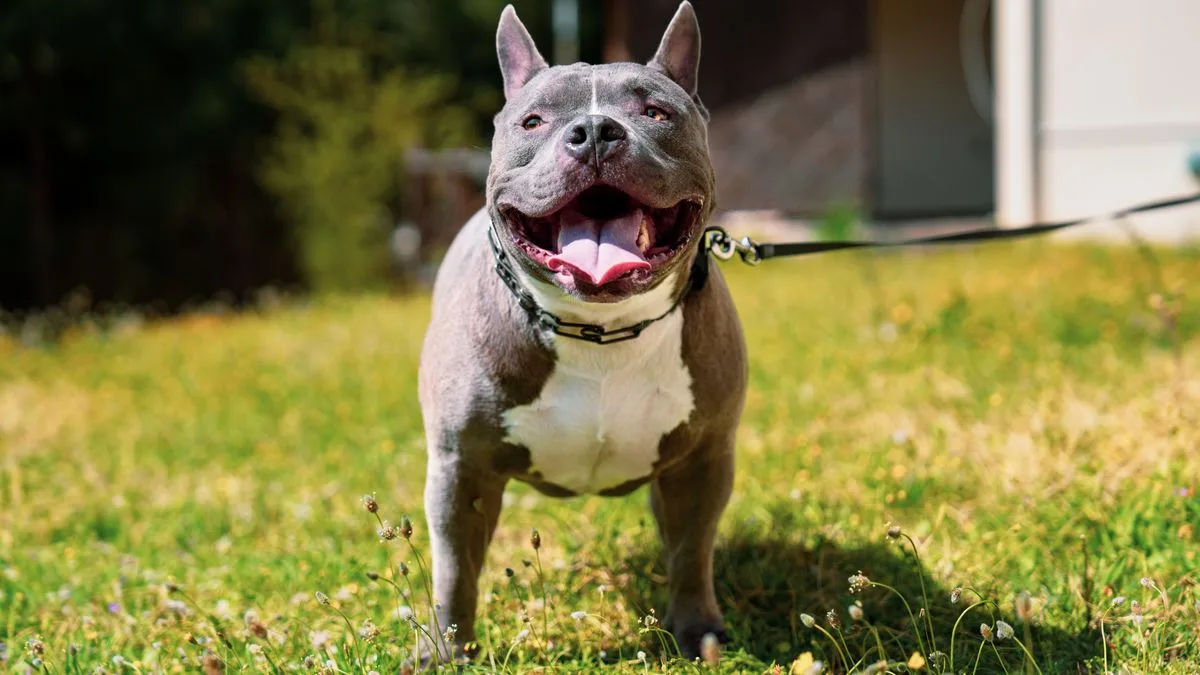
Nine Dog Breeds at Highest Risk of Heatstroke During Walks, Study Finds
Nine Dog Breeds Most at Risk of Heatstroke During Walks

A veterinarian has issued a warning that pets should not be exposed to direct sunlight for more than an hour during peak temperatures, as the UK experiences a heatwave that poses serious health risks to dogs. According to the RSPCA, dogs with pre-existing health conditions, flat-faced breeds, and those with thick coats are particularly vulnerable to overheating, especially in the current hot and humid conditions across the country.

Key Findings from the Study

The animal charity emphasizes that dogs are ten times more likely to suffer heat-related issues from exercising in hot weather than from being left in hot vehicles. When dogs become overheated, they typically cool down by panting, drinking water, seeking shade, or immersing themselves in water. However, if these options are unavailable or if conditions are too extreme, their body temperature can rise dangerously, leading to heatstroke or even death. In the UK, hundreds of heatstroke incidents are documented annually, with up to a quarter proving fatal.

Research conducted by the Royal Veterinary College identified nine dog breeds at heightened risk of heatstroke during hot spells. The breeds listed are:

Wide Pickt banner — collaborative shopping lists app for Telegram, phone mockup with grocery list
  • Chow Chow
  • Bulldog
  • French Bulldog
  • Dogue de Bordeaux
  • Greyhound
  • Cavalier King Charles Spaniel
  • Pug
  • Golden Retriever
  • Springer Spaniel

Researchers note that many of these breeds are brachycephalic, meaning they have flat faces and shortened skulls, which impairs their ability to pant effectively. Additional risk factors include being overweight and being over two years old. The study found that dogs larger than the breed average, including obese or muscular dogs, had nearly one and a half times the risk of heatstroke compared to smaller dogs.

Expert Commentary

Dr. Dan O’Neill, co-author of the study and senior lecturer in companion animal epidemiology at the Royal Veterinary College, stated: “As the UK experiences rising average temperatures due to global warming, it is crucial to recognize the changing health hazards our dogs face. Understanding which breeds, ages, and types are most at risk can help owners choose breeds more resilient to heat and take preventive measures, such as adjusting outdoor activity times and intensity.”

The average temperature at which a UK dog can develop heatstroke is just 16.9°C, indicating that even mild spring or summer days can be dangerous. The RSPCA recommends walking dogs early in the morning or late in the evening when temperatures are lower. Owners should carry a portable water dispenser and offer water every 15 to 20 minutes. Additionally, walking on grass rather than hot pavements can reduce the risk.

Signs of Heatstroke in Dogs

Heatstroke is preventable but can occur. The RSPCA advises pet owners to “cool first, transport second.” A spokesperson explained: “The longer a dog is overheated, the greater the damage to their health, potentially leading to death. Cool the dog immediately to improve survival chances. Stay calm and focused.” Symptoms to watch for include:

Pickt after-article banner — collaborative shopping lists app with family illustration
  • Collapse: Severe heat exhaustion may cause the dog to collapse.
  • Confusion or disorientation: Dehydration can lead to lightheadedness and unsteady movements.
  • Dehydration: Signs include a dry nose, sunken eyes, heavy panting, infrequent urination, and lethargy.
  • Drooling: Thick, sticky saliva may indicate heatstroke.
  • Increased heart rate: A fast pulse can signal overheating.
  • Muscle spasms: Heat cramps may cause shivering or shaking despite high temperatures.
  • Noisy breathing: Faster or louder breathing, especially in flat-faced breeds.
  • Panting: Excessive panting is a key sign of overheating.
  • Red gums and tongue: When combined with panting, this can indicate heatstroke.
  • Seizures: Heatstroke may trigger seizures, particularly in dogs with epilepsy.
  • Vomiting and diarrhoea: Soft stool or bloody diarrhoea suggests severe heatstroke.
  • Weakness and lethargy: Increased sleep, difficulty standing, or sluggish movements.

If any of these symptoms appear, seek veterinary attention immediately. Prevention remains the best approach: avoid strenuous exercise during hot weather, provide ample shade and water, and never leave dogs in parked cars.




