
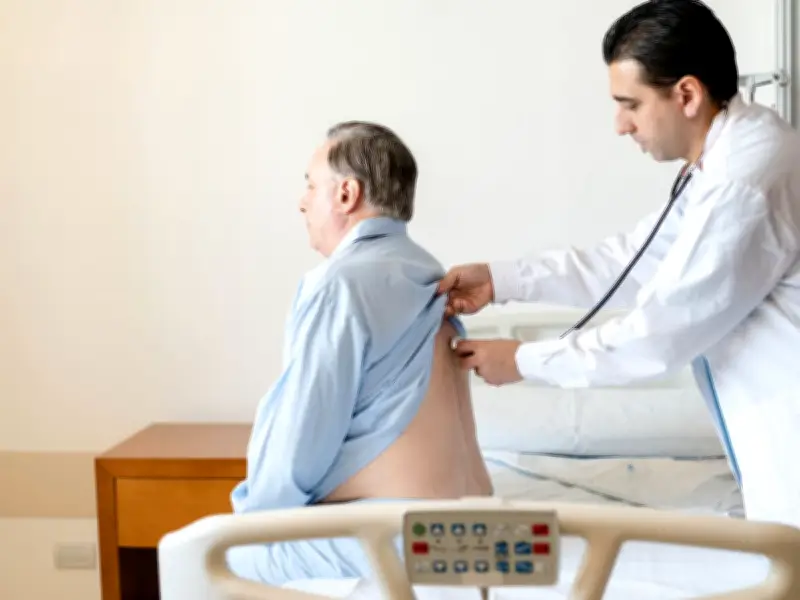
The NHS will provide patients with wearable sepsis sensors to prevent an estimated 1,000 deaths each year. These devices, including mobile phone apps, watches, or bracelets, will monitor vital signs after hospital discharge and automatically flag deterioration, prompting testing for sepsis.
Lifesaving Potential of Wearable Tech
Medics emphasize that for every hour sepsis treatment is delayed, the risk of death increases by up to 8%. Professor Ramani Moonesinghe, NHS England’s Deputy Medical Director, stated: “Every year, sepsis causes tens of thousands of deaths, and leaves thousands more with long-term disabilities, so it’s vital the NHS has an ambitious plan to reduce this harm over the next decade.”
How the Devices Work
The wearable technology will track patients’ vital signs at home. If signs of deterioration are detected, patients can be called in for examination. The UK Sepsis Trust estimates that sepsis is a factor in 48,000 deaths annually in the UK, with sepsis directly causing 4,000 deaths per year in England. NHS leaders believe a quarter of these could be prevented through improved care.
Symptoms and Early Detection
Sepsis often develops from bacterial infections. Symptoms in adults include confusion, slurred speech, uncontrollable shivering, muscle pain, difficulty breathing, blue or blotchy skin, and extreme temperature changes. In children, signs may include rapid breathing, high or low temperature, blotchy skin, lethargy, and vomiting. The NHS urges anyone experiencing these symptoms to call 999 immediately.
Ministerial and Expert Support
Minister for Patient Safety, Preet Gill, said: “Sepsis is a devastating and sometimes fatal condition. Behind every case is a patient and a family, and we have heard too many heartbreaking examples where signs of deterioration were not recognised quickly enough.” Dr Ron Daniels, founder of the UK Sepsis Trust, called the initiative “significant progress for patient safety.”
Existing Trials and Framework
Some hospitals already use wearable tech for inpatients. For instance, cancer patients receiving CAR T-cell therapy at University College London Hospitals wear chest devices measuring heart rate, respiratory rate, and temperature. The plan is part of a ‘Modern Service Framework’ for sepsis published to improve outcomes.




