
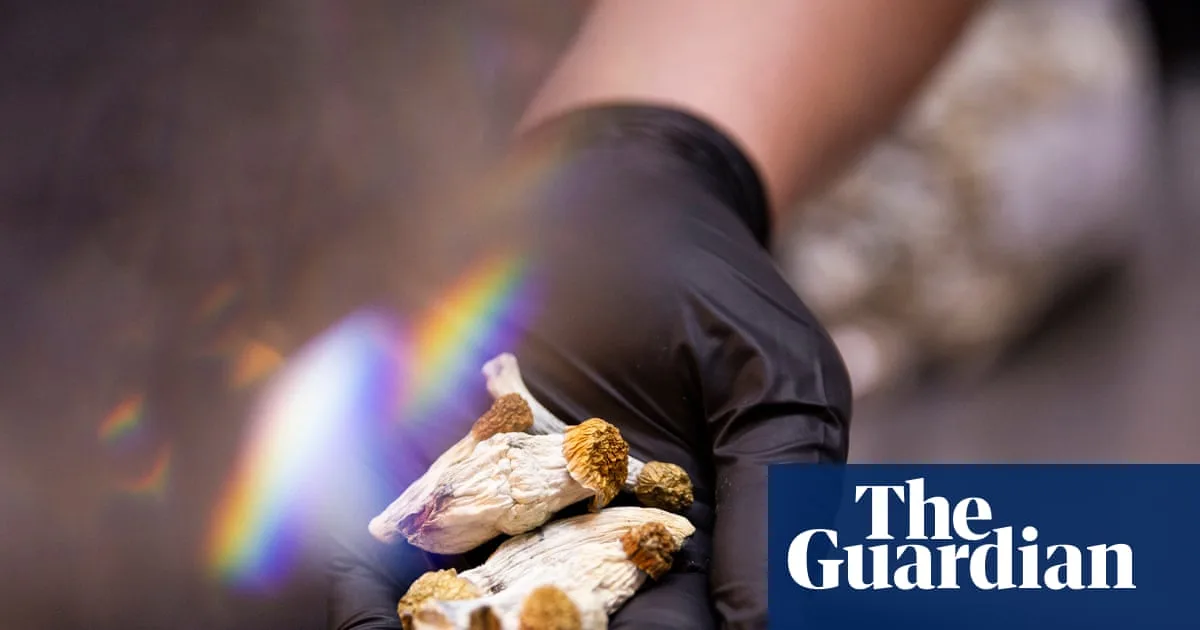
A new clinical trial suggests that a single dose of psilocybin, the active compound in magic mushrooms, could be an effective treatment for cocaine addiction. The study, published in JAMA Network Open, found that 19 participants who received psilocybin were more likely to abstain from cocaine than 17 participants given a placebo of diphenhydramine, an antihistamine.
Lead author Dr Peter Hendricks, a behavioural health professor at the University of Alabama at Birmingham, highlighted the urgency of finding treatments for cocaine use disorder, as there are currently no FDA-approved medications for stimulant addiction. Overdoses involving stimulants are rising in the US, and global cocaine deaths are increasing alongside record production levels.
The study is notable for including a majority of Black participants, a group disproportionately affected by cocaine-related arrests. Hendricks noted that cocaine use is the strongest predictor of criminal justice involvement, particularly for low-income Black men.
Experts believe psilocybin may work by increasing neuroplasticity and psychological flexibility, helping people break rigid, impulsive behaviours associated with addiction. Unlike maintenance medications, psilocybin is described as a catalyst within a therapeutic process, facilitating shifts in perspective and self-compassion after a single dose.
While the study excluded people with comorbid depression and anxiety, researchers note that psilocybin shows promise for these conditions as well. The authors call for larger-scale clinical trials to confirm the findings.




