Hong Kong Fire Survivors Face Uncertain Future as Lunar New Year Approaches
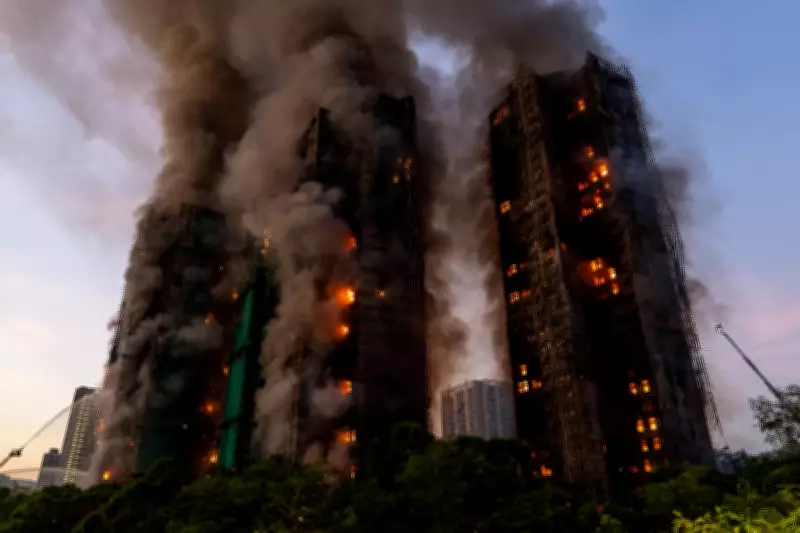
The deadliest fire in Hong Kong for decades continues to cast a long shadow over the lives of thousands of residents, with the approaching Lunar New Year stirring painful memories of loss and displacement. The catastrophic blaze at the Wang Fuk Court apartment complex on November 26, 2025, claimed 168 lives and devastated a close-knit community. More than two months later, survivors remain in temporary housing, awaiting concrete government plans for long-term resettlement as the festival period highlights their profound sense of dislocation.
A Community Shattered by Tragedy
The massive fire, which engulfed seven apartment buildings, was attributed by authorities to substandard scaffolding netting and foam boards from a maintenance project, which allowed flames to spread rapidly. While some arrests have been made, an independent committee continues to investigate the full cause. The disaster left a community grappling not only with grief but with an uncertain future, as residents express frustration over the slow pace of resettlement planning.
Government surveys have collected preferences from over ninety-five percent of homeowners, but officials have provided no timeline for announcing permanent accommodation arrangements. This uncertainty compounds the trauma for families who have lost homes, possessions, and loved ones.

Personal Stories of Loss and Longing
For eighty-seven-year-old Pearl Chow and her grandson Dorz Cheung, thirty-three, the fire meant the loss of cherished family photographs and their home in Tai Po. Now separated into two tiny temporary units, Cheung articulates a common sentiment: "Only permanent residence is called home. That's the root." Chow, while managing the hourlong journey back to Tai Po for church, worries time is against her. "I am an elderly person. When they finish building, I may have gone to my heavenly home," she remarked with a resigned laugh.
Seventy-four-year-old Kit Chan and her husband Keung Mak, seventy-eight, had lived in their apartment for over four decades, raising their children in a neighborhood where residents helped care for each other. Forced into a studio half the size of their home, Chan feels destabilized. "It's like being unable to get by in my final years," she confessed. Mak holds onto the simple hope of seeing their burnt apartment once more, to glimpse the memories contained within.
The Agonising Choice Between Time and Place
For twenty-three-year-old Isaac Tam's family, the loss of two apartments was heartbreaking, witnessed in his parents' tears and his ninety-two-year-old grandfather's declining health. As they prepare to move into temporary housing farther from the city center, they face a difficult decision. While preferring resettlement in their native Tai Po, the grandfather's advanced age forces them to prioritize speed over location. "I also fear he can't wait until we secure an apartment," Tam admitted, highlighting the painful trade-offs families must make.
Phyllis Lo, forty-eight, grieves for her seventy-four-year-old mother, who perished in the fire after a final phone call urging her children to live well. Lo is tormented by questions of accountability regarding the substandard maintenance materials and failed alarms, and by a lack of transparency around the five hundred and eighty-nine million dollar relief fund. As Lunar New Year approaches, she continues her mother's tradition of making turnip cakes, a bittersweet act of remembrance. "Maybe she is still everywhere and still seeing us now. I really want to be with her," she said through tears.
The Daunting Challenge of Rebuilding Community
Disaster recovery experts emphasize that the physical reconstruction of housing is only part of the challenge. Professor Jack Rozdilsky of York University in Canada notes that Hong Kong is moving into a critical recovery phase, where continuous mental health support and trauma aid are vital for long-term success. He views the community survey as a positive step, warning that a one-size-fits-all resettlement plan will fail.

"Rebuilding living spaces is complicated, but reconstructing a community is much harder," Rozdilsky stated. He advocates for understanding what fostered community at Wang Fuk Court—be it a local bus stop or a park gathering point—and incorporating those features into new plans. "Very small things matter," he concluded.
As the Lunar New Year dawns on February 17, a festival traditionally centered on family reunion and home, the survivors of the Wang Fuk Court fire are left with memories of celebration in a now-charred complex and an urgent, unanswered question: when, and where, will they finally find a place to call home again?