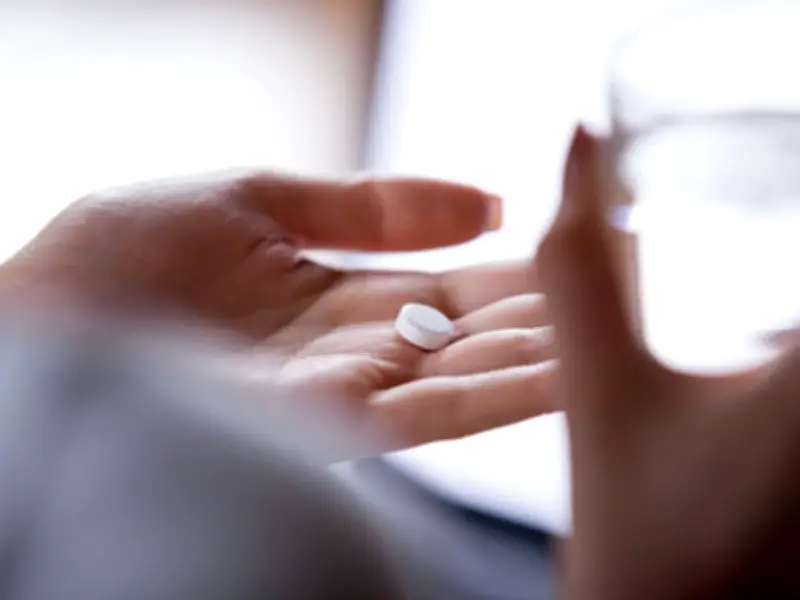
The UK is bracing for its fifth heatwave of 2026, with temperatures expected to reach up to 33C on Sunday and potentially 36C later in the week. As yellow heat health alerts are issued, a warning has been put out for people taking certain medications.
Medications affecting body temperature
The Medicines and Healthcare products Regulatory Agency's (MHRA) 'Summer-proof your health' campaign has highlighted medicines that can affect the body during hot weather. Dr Alison Cave, MHRA Chief Safety Officer, said diuretics, often prescribed for blood pressure or heart conditions, can increase fluid loss, leading to dehydration.
Some antidepressants and antipsychotics can impact how the body regulates temperature, and beta blockers can reduce the body's response to heat stress.
Medications increasing sun sensitivity
Certain medications can make the skin more sensitive to sunlight. Common painkillers like ibuprofen and naproxen can increase sun sensitivity. Other examples include antibiotics such as doxycycline and tetracycline, acne treatments like isotretinoin and topical retinoids, and antifungal medicines such as voriconazole.
Disease-modifying antirheumatic drugs (DMARDs) like methotrexate and azathioprine, used for conditions such as rheumatoid arthritis and lupus, can also increase sun sensitivity.
Reducing the risks
Dr Cave advised: "Staying hydrated, avoiding the strongest sun during the middle of the day, and using protective clothing and sunscreen can all help reduce risk." People are urged to check the information leaflet with their medication and not stop taking prescribed medicines without advice from doctors or pharmacists.
Signs that the body is struggling in the heat include dizziness, headaches, unusual fatigue, confusion, or reduced urination.
The Met Office said temperatures could climb into the 30s in the south and south-east, with up to 33C in the South East. Heatwave conditions are likely to return next week, with a high of 36C expected in parts of East Anglia and south-east England by Thursday.