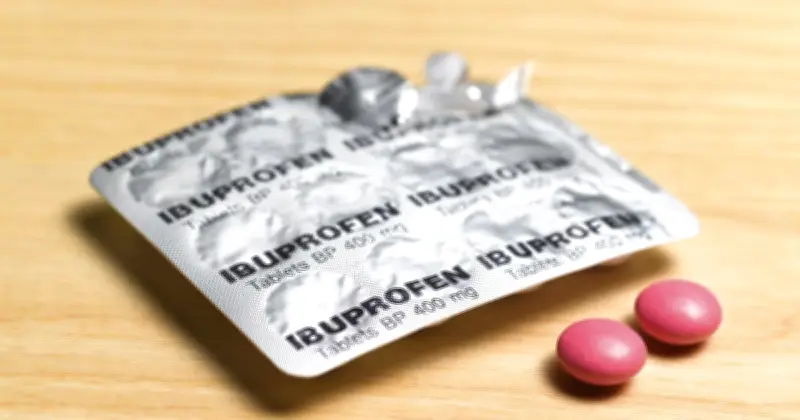
The UK's Medicines and Healthcare products Regulatory Agency (MHRA) has issued a warning to anyone taking ibuprofen or other common over-the-counter medications, as another heatwave is expected this week. Some medicines can cause a reaction to sun exposure, increasing the risk of complications.
Along with ibuprofen, several common drugs and antibiotics can cause the body to absorb damaging solar radiation. Others weaken the body's ability to hydrate itself or regulate temperature, which becomes a real problem during heatwave conditions.
Met Office forecast
The Met Office predicts temperatures could soar to 36C again this week, particularly in the south east of England. Much of the UK prepares for hotter weather starting on Sunday, gradually rising through the week, generally peaking on Wednesday in the north and Thursday in the south.
Dr Alison Cave, MHRA Chief Safety Officer, said: "Some commonly used medicines can affect the body's ability to stay hydrated, regulate temperature, or protect itself from sun exposure. For example, diuretics, often prescribed for blood pressure or heart conditions, can increase fluid loss and make dehydration more likely. Some antidepressants and antipsychotics can affect the body's ability to regulate temperature, and medicines such as beta blockers may reduce the body's response to heat stress."
Sun sensitivity risks
Dr Cave added: "Other treatments can increase sensitivity to sunlight, meaning skin can burn faster or more severely than expected. These include certain antibiotics such as doxycycline and tetracycline, acne treatments like isotretinoin and topical retinoids; and antifungal medicines such as voriconazole. Disease-modifying antirheumatic drugs (DMARDs) such as methotrexate and azathioprine, often used to treat conditions including rheumatoid arthritis, psoriatic arthritis and lupus, can also increase photosensitivity."
She also noted: "Proton pump inhibitors (PPIs), commonly used to treat acid reflux and heartburn, have also been linked to a very low risk of a lupus-like skin reaction triggered by sun exposure, and common painkillers such as ibuprofen and naproxen may also increase sun sensitivity."
Advice for medication users
Dr Cave urged anyone taking medication during hot weather to look for signs of struggling in heat, including dizziness, headaches, fatigue, or reduced urination. She warned not to stop taking prescribed medication without talking to a pharmacist or GP first.
Deputy Chief Forecaster Mike Silverstone said: "Temperatures will climb through the weekend and, more significantly, through much of next week. After a brief dip on Monday, high pressure will move across the UK before settling to the east, allowing a southerly flow to develop."
He added: "A fairly widespread heatwave is likely across large parts of England and Wales, with hot conditions developing in places. The heat is expected to peak for much of England, Wales, Northern Ireland and Scotland on Wednesday, with up to 34°C possible in parts of central and southern England and southeast Wales. East Anglia and south-east England, however, could see temperatures even higher on Thursday. Humidity levels are also expected to increase through the week, which may make conditions feel more uncomfortable, particularly overnight."