
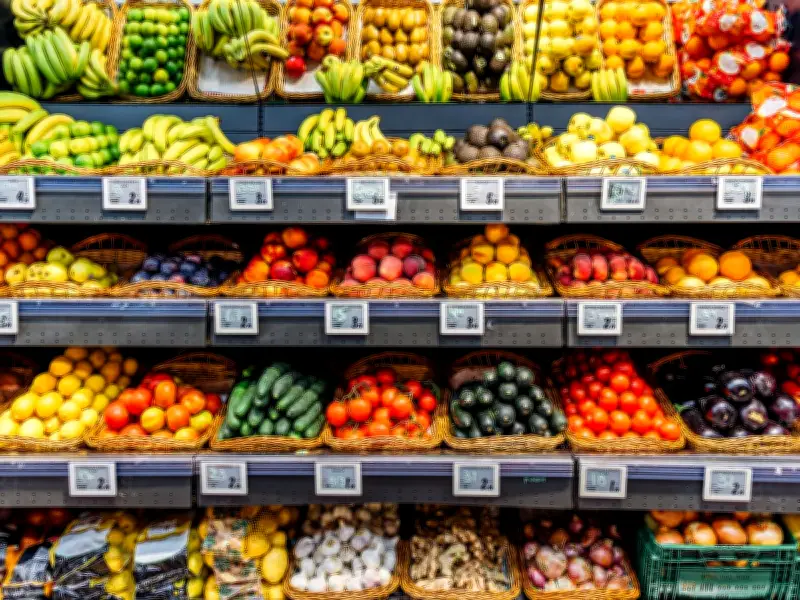
A cardiologist has identified four fruits that can significantly lower your risk of heart disease, the second leading cause of death in the UK after dementia and Alzheimer's disease. Heart disease, caused by fatty deposits narrowing arteries, accounts for nearly 60,000 deaths annually in the UK. However, dietary choices can mitigate this risk, and these fruits are particularly effective.
The Four Heart-Healthy Fruits
Cardiologist David Min MD told Eating Well: “A number of studies have shown that eating more fruit can lower your risk of a heart attack, stroke or death from cholesterol disease.” He named apples, avocados, blueberries, and oranges as top choices.
Apples
Apples are linked to improvements in blood pressure and cholesterol due to their high fibre and antioxidant content. Fibre helps reduce cholesterol absorption, while antioxidants combat oxidative stress.
Avocados
Avocados are “a great source of monounsaturated fatty acids, which is a heart-healthy fat that lowers bad LDL cholesterol and increases good HDL cholesterol,” says Dr Min. This fat profile supports arterial health.
Blueberries
Blueberries are rich in antioxidants and fibre. Dr Min explains: “Think of them as guardians of your blood vessels: they can help lower blood pressure, improve the flexibility of your arteries and increase HDL cholesterol, which helps protect your arteries.” Antioxidants neutralise harmful free radicals.
Oranges
Oranges are famous for vitamin C, an antioxidant, but also contain flavanones. Fellow cardiologist Audrey T Damren states that these compounds “have been shown to help lower blood pressure, improve cholesterol levels, reduce inflammation and support healthy blood sugar regulation, which are all important factors in reducing cardiovascular risk.”
Understanding Heart Disease Causes
Heart disease typically results from fatty deposit buildup on artery walls, narrowing them and restricting blood flow. The NHS identifies key risk factors: smoking, high blood pressure, high cholesterol, lack of regular exercise, diabetes, obesity or overweight, and a family history of heart disease.
Prevention Strategies
Beyond incorporating these fruits, a healthy diet low in saturated fats and high in fibre is crucial. Other prevention methods include: being more physically active, maintaining a healthy weight, not smoking, reducing alcohol consumption, and controlling blood pressure and diabetes.
Additional Heart-Healthy Foods
Other foods that reduce heart disease risk include: vegetables (especially leafy greens like spinach, kale, and broccoli), whole grains (brown rice, quinoa, wholemeal bread), dairy (milk, cheese, natural yogurt), protein-rich low-fat foods (fish, lean meats, eggs, nuts, seeds, legumes), and oils high in monounsaturated and polyunsaturated fats (olive, sesame, sunflower oil, nut butters).




