
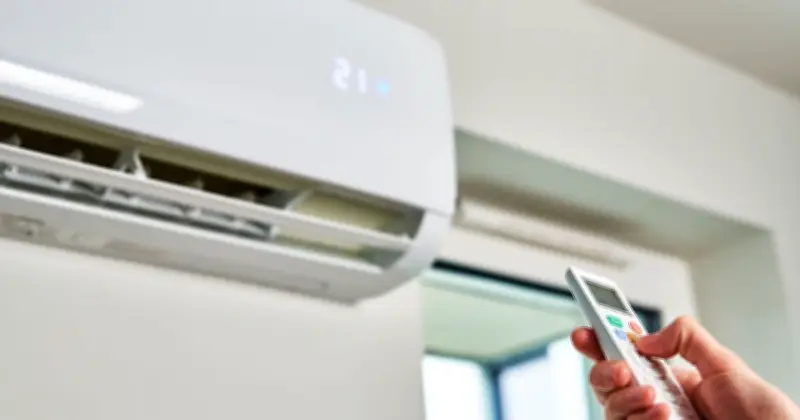
GPs have issued a warning to Brits using air conditioning this summer, cautioning that it can worsen symptoms for those with sensitive or dry skin conditions and may irritate lungs. As temperatures remain hot across the UK, doctors are advising on how to mitigate the effects.
How Air Conditioning Affects Skin
According to Dr Opel Baker, a GP at Mayfield Clinic in Brighton & Hove, spending long periods in air-conditioned spaces can deplete moisture from the skin. This can lead to dryness, tightness, and flaking. Dr Baker explained: "Air conditioning tends to remove humidity from the air, which makes us feel cooler, but it can increase the water loss from your skin."
He added: "This moisture depletion can manifest in several uncomfortable ways, including dryness, a sensation of tightness, and visible flaking. This can lead to dry skin, tightness, flaking and might even lead to increased sensitivity, eczema or chapped lips."
Dr Baker recommends applying moisturiser before entering air-conditioned rooms to help protect against moisture loss. He emphasised: "Those who already struggle with sensitive or dry skin conditions may find their symptoms considerably worsened by prolonged AC exposure."
Respiratory Risks and Other Symptoms
Dr Lucy Hooper, a London-based GP and co-founder of Coyne Medical, warned against poorly maintained air conditioning units, as they can irritate lungs and trigger asthma. The GPs also noted that spending extended periods in air-conditioned rooms can cause headaches and body aches, with dehydration typically serving as the primary culprit.
Dr Baker advised: "Make sure you drink lots of water and stay hydrated throughout the day." He also recommends regularly servicing and cleaning filters on home air conditioning units to prevent dust and mould buildup that can exacerbate respiratory issues.
Practical Advice for Staying Cool Safely
To minimise the negative effects of air conditioning, GPs suggest using moisturiser, staying hydrated, and ensuring units are well-maintained. Those with pre-existing skin conditions like eczema or respiratory issues such as asthma should take extra precautions.




