
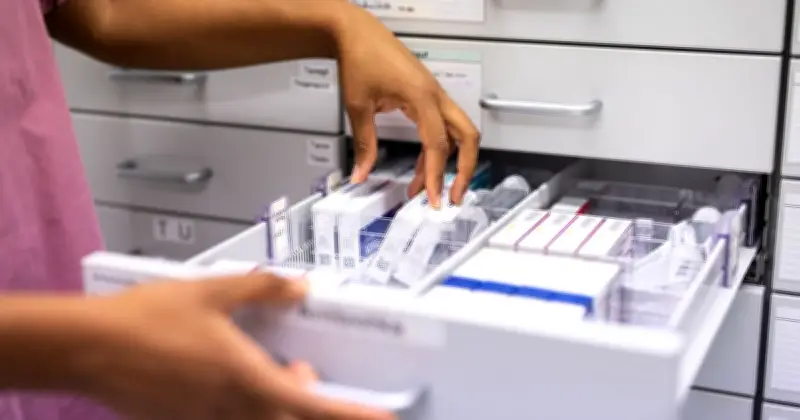
GPs and pharmacists are issuing an urgent alert over certain medications as millions of people face supply shortages across the UK. Pharmacies report that patients have had to ration medication or skip meals due to inability to obtain supplies. Some affected medications have faced shortages for years, while others have been worsened by the Iran war causing shipping delays.
Government Urged to Act
While pharmacists have serious shortage protocols (SSPs), there are calls for the government to set up an emergency taskforce and allow pharmacists to make prescription changes. The supply shortages affect a range of medications including painkillers codeine and co-codamol, antidepressants, epilepsy drugs, and Estradot used in HRT. Efudix, a cream for precancerous skin cells, is also in short supply.
Impact on Patients
Oxybutynin, used for hot flushes in HRT patients, is largely out of stock, and its cost has tripled since the start of the year. Blood pressure drugs like beta blockers, statins, ramipril, and irbesartan are affected, as well as Creon, vital for pancreatic cancer and cystic fibrosis patients to digest food. Without Creon, patients report limiting meals and sharing medications.
The Creon shortage is not new; SSPs have been in place since May 2024, and for Estradot since December 2024. According to the European Medicines Agency, the Creon shortage is due to production capacity limitations and high demand, expected to continue into 2027.
Expert Warnings
Professor Victoria Tzortziou Brown, president of the RCGP, said: “Medicine shortages can be frustrating for patients, GPs and pharmacists alike, especially when patients have to endure lots of back and forth to acquire a suitable alternative. With appropriate safeguards in place, the college is supportive of pharmacists being able to make limited changes to prescriptions when a medicine is unavailable and a safe, clinically appropriate alternative is available within agreed prescribing guidance.”
Olivier Picard, chairman of the National Pharmacy Association, warned that shortages are becoming more frequent, lasting longer, and causing more disruption. He told The Telegraph: “These shortages are some of the most severe the UK has experienced. Our medicines market has never been so volatile, with patients and primary care colleagues at the sharp end of events outside of their control. We’re urging the Government to convene an emergency taskforce to bring together all parts of the supply chain to tackle this issue.”
The organisation also warned that pharmacists believe the situation poses a serious risk to patient safety, and 83% of pharmacy teams faced abuse or anger due to unavailable medications.
Government Response
A Department of Health and Social Care spokesperson said: “The overwhelming majority of medicines licensed in the UK are in good supply and patients should know that when visiting the pharmacy, their prescriptions will be available. Ensuring there is robust supply of medicines is vital and this government is making significant investments in the UK medicine manufacturing industry to strengthen it.”




