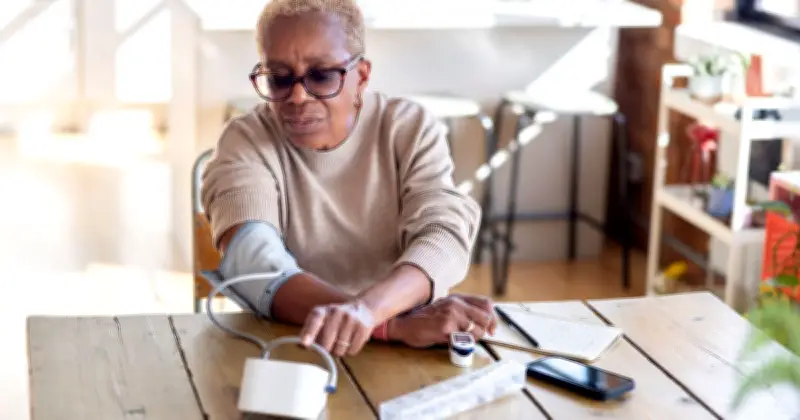
Dr Amir Khan, a GP and resident doctor for ITV's Lorraine and Good Morning, has shared five natural ways to help lower blood pressure, including small dietary and lifestyle changes.
High blood pressure, also known as hypertension, is very common, particularly in older adults, and "can lead to serious problems like heart attacks or strokes," according to the NHS website. "There are usually no symptoms, so you may not realise you have it," it adds. It is often referred to as a "silent killer" because people often do not know they have it until it leads to other serious health problems.
Only half of treated patients have condition under control
Research by the University of Oxford, released in September, suggested that only around half of people being treated by their GP for high blood pressure have their condition under control. The study, which involved 1.4 million adults, also found that most people in England living with high blood pressure are not aware they have it, which puts them at increased risk of suffering strokes, heart attacks, and premature death.
Cutting salt and eating potassium-rich foods
Dr Khan took to Instagram to share blood pressure management advice with his 1.2 million followers. He noted that people who are on medication for their blood pressure should take it as prescribed, and the pointers he shared are "additional things that you can do to help keep your blood pressure at healthy levels."
The first tip is cutting down on salt intake. Dr Khan explained: "Now if you don't have high blood pressure, then there's still a debate about how much salt will affect you. But if you do have high blood pressure, listen up. Adults should only have around six grams or one level teaspoon of salt per day, and most of that is already hidden in the food that we eat." He recommends trying not to add salt to food, instead adding flavour by seasoning with pepper, herbs, and spices. "And if you're buying tinned food, go for it in water rather than salty brine," he added, "And with nuts, always go for unsalted nuts."
The second tip is eating foods rich in potassium. "Potassium helps lower blood pressure by helping the kidneys get rid of that excess sodium or salt in your blood," he explained, flagging various fruit and vegetable options that naturally contain it, including tomatoes, bananas, nectarines, kiwi, carrots, and spinach. However, Dr Khan warns people to be "really careful" with potassium if you have kidney disease, which can stop the organ from being able to process it properly.
Staying active, quitting smoking, and managing weight
His third tip is getting active, explaining that regular movement "keeps your blood vessels flexible, as they have to expand and contract and encourage blood flow around your body." He recommends finding an activity you enjoy and doing it regularly.
The fourth tip is to quit smoking and limit alcohol consumption. The GP warned that smoking can impact the "health of your blood vessels, which causes high blood pressure, and alcohol is really strongly linked to high blood pressure too."
The last tip is to achieve a healthy weight, which he acknowledged can be a hard and complicated undertaking. He highlighted that having extra weight, "especially around your middle area, has been linked to high blood pressure." "These additional fat cells can release hormones that increase blood pressure," he added.
Consult with your doctor before any dietary or lifestyle changes to ensure they are suitable for you. More information about high blood pressure is available on the NHS website.