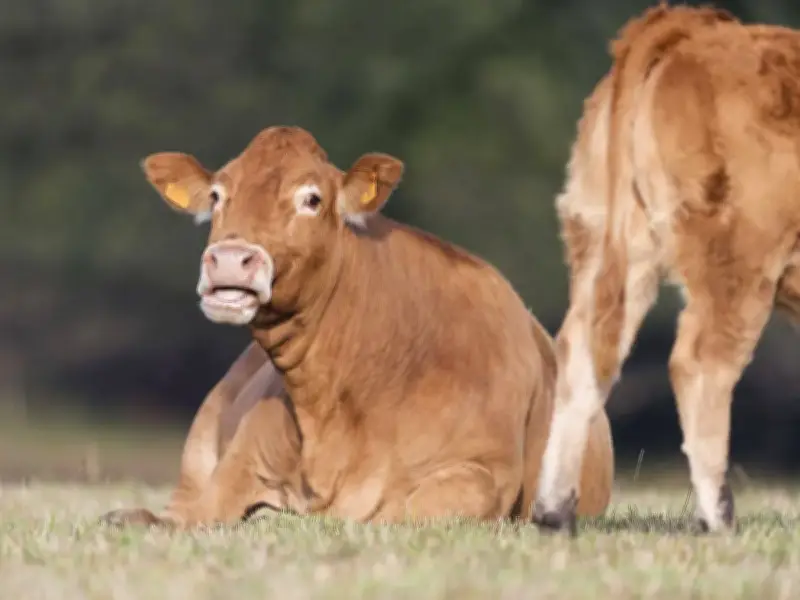
France has recorded the world's first human case of the Shamonda virus, a disease primarily found in livestock, after a seriously ill patient died, health authorities have confirmed.
The patient, who died in early October, was already receiving medical care for another severe underlying health condition that compromised their system. It is believed the patient caught the insect-borne bug in eastern France, where it has been circulating among livestock during the spring and summer.
Virus Spread and Symptoms
The virus is primarily spread by Culicoides biting midges and usually targets cattle, sheep, goats, alpacas and horses, causing severe symptoms such as high fever, diarrhoea, lethargy and a drop in milk yield.
First identified in Nigeria in the 1960s, the disease made its European debut in July following routine testing on sick herds near the Swiss and German borders.
Monitoring and Response
French authorities emphasised that the general public is not currently in danger, though researchers are working to confirm whether the bug directly caused the patient's death or simply aggravated their existing illness.
"Investigations into whether the virus caused or contributed to the patient's death and how the infection was acquired are ongoing," said the French government. European disease prevention agency ECDC confirmed it is "carefully monitoring the situation."
UK Alert
UK health authorities are also on alert. Dr Katherine Russell, head of emerging infections and zoonoses at the UK Health Security Agency (UKHSA), confirmed officials are aware of the outbreak "and are in contact with the relevant authorities to assess the situation."
She added: "The virus has not been detected in the UK to date, although it has been identified in cattle in Jersey and the Republic of Ireland."
The UKHSA is continuing to monitor international data to determine if further precautions are necessary to safeguard domestic livestock and public health.