During Blood Pressure UK’s Know Your Numbers! Week, running from September 7-13, millions of people are being urged to check their blood pressure. The charity’s message is simple: “You know your age, do you know your numbers?” Around five million people are thought to be living with high blood pressure, often called the silent killer.
A poll of 2,000 adults for Blood Pressure UK found that one in five wrongly believed they would feel unwell if they had high blood pressure. Some 15% incorrectly thought checks were irrelevant for anyone under 40, and almost half of those who had had their blood pressure checked could not remember their last reading.
Choosing the right monitor and preparing for a reading
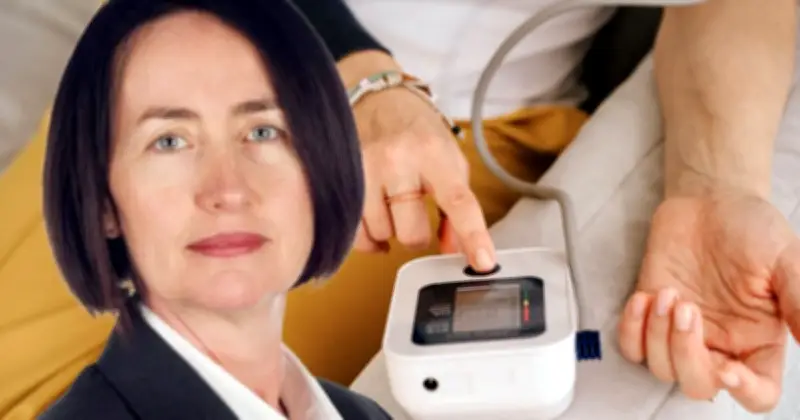
Dr Pauline Swift, the charity’s chair and a consultant nephrologist, has shared advice for Express Premium readers. She explained that blood pressure monitors are available from online retailers such as Amazon for around £10-20. “You don’t need the most expensive machine on the market,” she said.

“Look for a clinically validated, automatic digital monitor with an upper-arm cuff, such as one from Kinetik Wellbeing. Upper-arm monitors tend to be more reliable than wrist or finger devices. The cuff also needs to fit your arm correctly. A cuff that is too large or too small can give an inaccurate reading, so check the manufacturer’s sizing instructions before buying.”
Blood Pressure UK recommends checking that your monitor appears on a recognised list of clinically validated devices, such as that maintained by the British and Irish Hypertension Society.
Dr Swift advised avoiding checking blood pressure within 30 minutes of eating, smoking, drinking caffeinated drinks such as coffee, or exercising. “It is also worth going to the toilet beforehand. Even being uncomfortable or needing the loo can affect the reading,” she added.
Positioning and technique for accurate results
Dr Swift recommended sitting quietly for around five minutes before a reading. “Don’t rush in from walking the dog, climbing the stairs or answering the front door and immediately put the cuff on,” she said. “Your back should be supported; your feet flat on the floor, and your legs uncrossed. Rest your arm comfortably on a table or other firm surface so that it is roughly level with your heart.”
Wearing loose clothing is best so the cuff can go directly around the upper arm. “Follow the instructions supplied with your monitor. As a general guide, the cuff should sit around 2cm above your elbow. Keep your arm and hand relaxed,” Dr Swift added.
“Stay still and quiet while the reading is being taken. Talking, laughing, chewing or moving can affect the result. Don’t cross your legs either. If somebody else is in the room, save the conversation until the machine has finished,” she said.
Tracking readings and understanding the numbers
Blood pressure naturally changes throughout the day, so one reading is only a snapshot. Dr Swift said: “Take two or three readings around one to two minutes apart. If the first is considerably higher than the others, take another reading and use the later readings to give you a better picture.”
When first starting home monitoring, Blood Pressure UK advises taking readings in the morning and evening for a week. NICE similarly recommends twice-daily home measurements, ideally over seven days, when home monitoring is used to help confirm hypertension.
“Don’t simply glance at the screen and forget about it,” Dr Swift said. “Record the numbers exactly as they appear, whether that’s in the monitor’s memory, on your phone or with an old-fashioned pen and paper. Try to measure at roughly the same times each day so you are comparing like with like. When you first start, check both arms; if one consistently gives a higher reading, use that arm for future measurements.”
A blood pressure reading contains two numbers. Blood pressure is usually considered high if it is 135/85mmHg or higher when checked at home, or 140/90mmHg or higher when checked by a healthcare professional, according to the NHS website. Dr Swift will be sharing a full guide on what your reading means for Express Premium readers later this week.