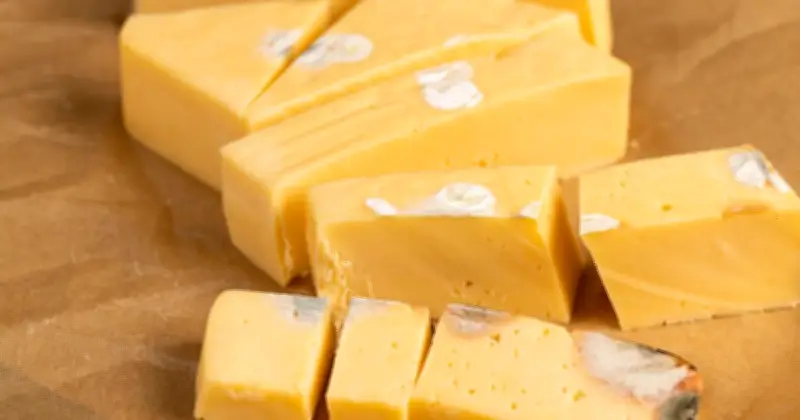
Finding mould on your cheese can leave you facing a common dilemma: cut it off and eat the good part, or throw the whole thing away? A doctor on social media has weighed in on whether eating cheese with mould on it is actually safe and which types you should never risk.
Doctor's verdict on mouldy cheese
Dr Max, M.D (who goes by @itsdrmax) took to TikTok and shared: "Cheese and mould often appear together, but not all mould on cheese means the same thing. Learn the simple rules to decide when you can cut away mould and eat the rest, and when the entire cheese must be thrown out."
The doctor simply stated: yes...and no. The problem is that the mould we see on the surface is just the "tip of the iceberg." Underneath, he described the mould as growing "fungal tentacles." So it doesn't matter if you cut off the mould you can see, it has likely spread across the cheese.
Health experts agree on soft cheeses
Health experts at the Mayo Clinic agreed and said: "Soft cheeses, such as cottage cheese, cream cheese and ricotta, with mould should be tossed. Also, throw out any shredded, crumbled or sliced cheese with mould. With these cheeses, the mould can spread through the cheese, even if you can't see it."
They added: "Harmful bacteria, such as Listeria, Brucella, Salmonella, and Escherichia coli, can grow with the mould. Mould most often can't get far into hard and semisoft cheeses. These include cheddar, colby, Parmesan and Swiss. So you can cut out the mouldy part and eat the rest of the cheese."
Which cheeses are safe to eat with mould?
However, soft cheeses like Brie and Camembert, as well as blue cheeses like Gorgonzola, are made with types of mould that are safe for most healthy people to eat. Pregnant women and people with certain health conditions may need to avoid them. It is important to note that other types of mould can also grow on these cheeses and will make you ill if you are not careful.
What to do if you spot mould on hard cheese
Doctor Max advised that if you notice one little spot of mould on hard cheese, then you should cut one inch around it, but do not touch it to avoid cross-contamination. He added that heating it won't help destroy the mould, as mycotoxins (toxic chemical products created by certain moulds and fungi) "don't care about your microwave".