
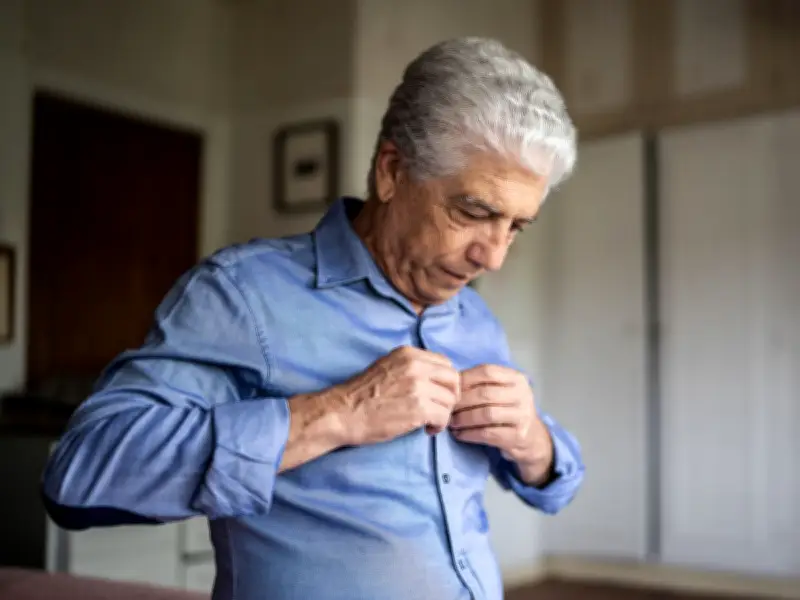
Impaired judgement, a common symptom of dementia, can lead sufferers to wear heavy clothing on hot days, potentially triggering heat stroke, according to the Alzheimer Society of Canada. This warning sign is one of 10 symptoms the society highlights to help identify dementia in loved ones.
Impaired Judgement and Heat Risk
The society explains that impaired judgement may cause a person with dementia to not recognise something that puts their health and safety at risk. This includes making poor decisions such as wearing heavy clothing on a hot day, which can lead to dangerous overheating. Elderly people are particularly vulnerable in hot weather, and such behaviour could result in heat stroke.
The Alzheimer Society of Canada advises: "Are you, or the person you know, not recognising something that can put health and safety at risk? From time to time, people may make questionable decisions such as putting off seeing a doctor when they are not feeling well. However, a person living with dementia may experience changes in judgement or decision-making, such as not recognising a medical problem that needs attention or wearing heavy clothing on a hot day."
Nine Other Warning Signs of Dementia
The society lists nine additional warning signs to monitor:
- Memory loss affecting day-to-day abilities: Forgetting things more often or difficulty recalling recently learned information.
- Difficulty performing familiar tasks: Struggling with everyday activities like cooking a meal or playing a game.
- Problems with language: Forgetting basic words or replacing them with others, making speech hard to follow.
- Disorientation to time and place: Becoming lost on one's own street or unsure how to get home.
- Problems with abstract thinking: Challenges with tasks due to loss of understanding of numbers.
- Misplacing things: Putting items in wholly inappropriate places.
- Changes in mood and behaviour: Sudden mood swings from calm to tearful to angry without obvious reason.
- Changes in personality: Becoming confused, suspicious, or withdrawn.
- Loss of initiative: Becoming passive and disengaged, needing prompts to participate in activities.
When to Seek Medical Advice
The society urges anyone concerned about these signs to consult their GP. It adds: "If you are concerned about any of these signs, the next step is to talk to your doctor. Only a qualified healthcare provider, after multiple assessments and tests, can confirm whether you or someone you know has dementia." Dementia affects around 900,000 people in the UK, making awareness of these symptoms crucial for early intervention and safety.




