
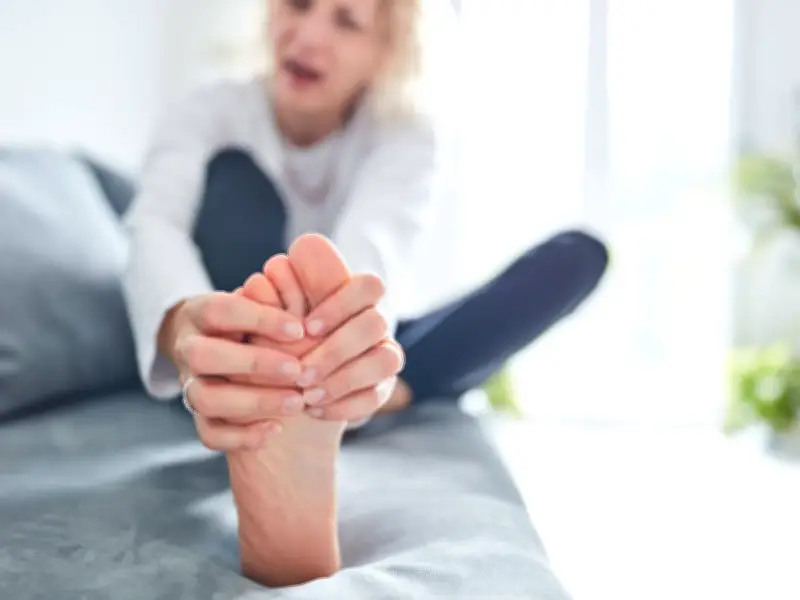
As temperatures rise across the UK, orthopedic surgeon Professor Paul Lee is highlighting a lesser-known risk of heatwaves: the damage dehydration can cause to joints and cartilage. While most people associate hot weather with sunburn, heat exhaustion, or dehydration, Lee emphasizes that cartilage—which is approximately 70% to 80% water—depends heavily on hydration to function properly.
Cartilage Needs Water Like a Sponge
Professor Lee, a joint preservation specialist, explains that unlike many tissues, cartilage lacks a direct blood supply. Instead, it relies on fluid movement within the joint to receive nutrients. “Cartilage behaves a little like a sponge. It needs hydration and movement to help nutrients circulate through the joint,” he said. When the body is dehydrated, this process becomes less efficient, potentially compromising joint health.
Lee warns that people often overlook this connection: “Most people think about dehydration in terms of feeling thirsty, tired or dizzy. What they often don't realise is that cartilage is approximately 70% to 80% water. It relies on hydration and movement to maintain joint health.”
The 'Rule of Six' for Hydration
To help the public stay properly hydrated during hot weather, Professor Lee recommends a simple guideline he calls the “rule of six”:
- Do not go more than six hours without drinking water during the day
- Do not go more than six hours without passing urine while awake
- If your urine is darker than a pale straw colour, increase your fluid intake
- Drink more if you are sweating heavily
- Avoid excessive alcohol consumption during hot weather
- Seek medical advice if you become dizzy, confused or stop passing urine normally
“I often tell patients to protect their cartilage with the 6x6 rule. Stay hydrated enough to pass pale urine at least every six hours. It's a simple way to monitor whether your body is getting enough fluid,” Lee said.
Who Should Be Most Careful
The advice is especially important for older adults, people with arthritis, and anyone spending prolonged periods outdoors during the heatwave. While hydration alone will not prevent joint problems, Lee stresses that it is one of the simplest measures to support the body's natural systems.
“We often focus on exercise, treatments and medications, but basic hydration is one of the foundations of healthy joints. During a heatwave, people should not wait until they feel thirsty. By then, dehydration may already be affecting how the body functions. Looking after your joints can be as simple as making sure you're drinking enough water and paying attention to the signals your body is giving you,” he added.




