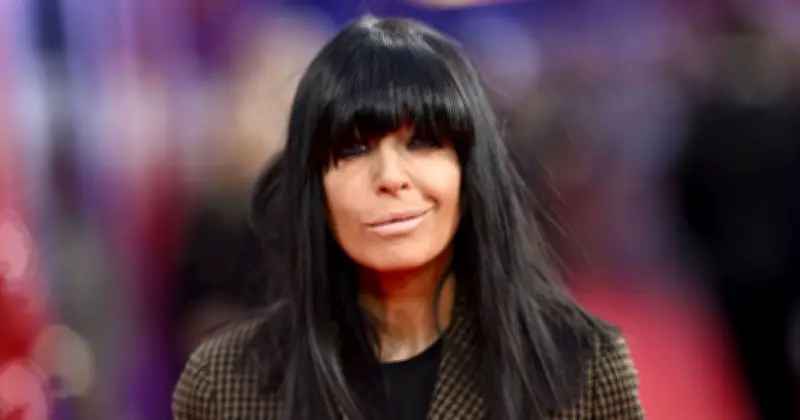
An ophthalmic surgeon has warned that myopia, or short-sightedness, could affect around five billion people worldwide by 2050. The condition, which makes distant objects appear blurry, affects about one in three people in the UK, including The Traitors host Claudia Winkleman.
Claudia Winkleman's Experience with Myopia
The 54-year-old presenter has previously spoken openly about her condition, revealing it has caused her to bump into walls, prevented her from driving, and made reading difficult. Despite undergoing surgery twice to correct her vision, she acknowledged that some difficulties persist, particularly with reading.
In 2021, Winkleman told The Sun: "I can't even begin to tell you how blind I am. It's embarrassing. I can't read the autocue. My eyes have deteriorated so badly, I'm not meant to drive. I am doing the wrong job."
She has found ways to continue her work by relying on specially tailored glasses and lenses, large text on the autocue, and memorisation.
Surgeon's Warning on Rising Myopia
Mr Mfazo Hove, a consultant ophthalmic surgeon and founder of Blue Fin Vision, said short-sightedness is becoming increasingly common, particularly among children in the UK. He explained that while adults usually notice blurred distance vision quickly, children may not complain because they assume everyone sees the same way.
"These include squinting, sitting very close to the TV, holding a tablet near the face, or losing interest in the board at school or in ball sports. Eye rubbing and headaches can also occur, although they have many other causes," he said.
Global Projections and Prevention
Mr Hove highlighted the "growing burden" of myopia, noting that around a quarter of the world's population was short-sighted in 2000, with projections suggesting this could rise to around half by 2050 — nearly five billion people. He emphasised that childhood myopia does not go away and that slowing progression early is important.
Moorfields Eye Hospital recommends spending at least two hours outdoors daily, limiting near-work and screen strain, using specialist lenses, and considering low-dose atropine drops to help slow myopia progression in children. Prescription glasses or contact lenses improve clarity but do not cure the underlying condition.