
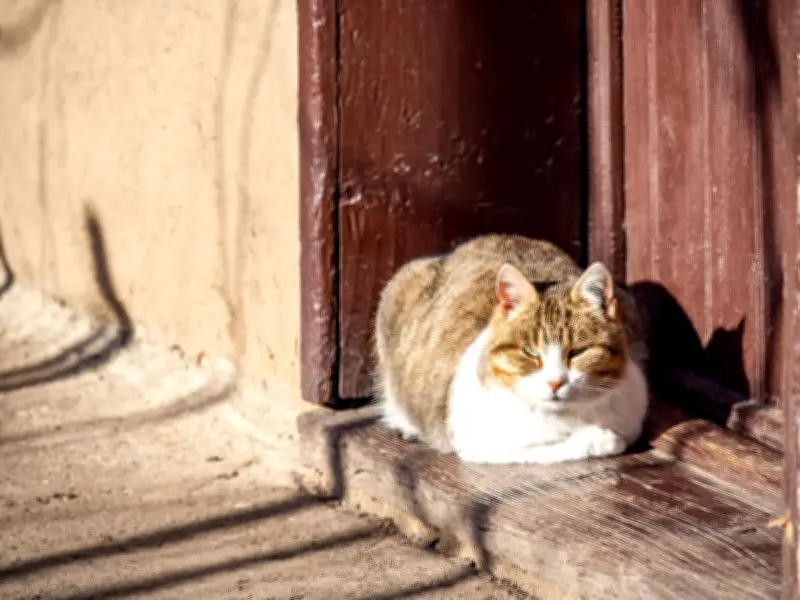
As the UK heatwave continues, vets are warning that cat heatstroke can be a fatal condition. A red alert for extreme heat remains in place across London and the southeast, making it crucial to look after pets properly.
What is cat heatstroke?
According to vet experts at the PDSA, heatstroke is an extremely serious condition that can lead to severe dehydration, organ damage and even death. The most frequent cause of heatstroke in cats is being accidentally trapped in a sweltering space, such as a shed or conservatory.
A cat's normal body temperature falls between 38.1-39.2C, and once it climbs above 40C, they become at risk of heatstroke. This can trigger severe dehydration, seizures, blood clotting issues, organ damage, coma and death. The longer a cat's body temperature remains dangerously elevated, the more life-threatening the condition becomes — so it's essential to act fast and get them to a vet immediately.
Symptoms of heatstroke in cats
Unlike dogs, cats are unlikely to develop heatstroke through over-exertion. In most cases, it occurs because they've dozed off or become trapped in a poorly ventilated garage, shed or conservatory during a particularly hot day. According to the PDSA, some of the most common heatstroke symptoms in cats include:
- Panting and fast breathing
- Bright/dark red or sometimes very pale gums
- Vomiting
- Diarrhoea (sometimes containing blood)
- Weakness
- Confusion
- Wobbliness and collapse
- Seizures
- Blindness
- Unconsciousness
Which cats are most at risk?
While any cat can fall victim to heatstroke, it is most common in long-haired or obese cats, as well as certain flat-faced breeds such as Persians. A cat's age can also play a significant role, with elderly cats and very young kittens particularly vulnerable, as they struggle to regulate their body temperature as effectively. Cats with existing heart or lung conditions may also face a greater risk of heatstroke.
How to prevent heatstroke in cats
As cats can suffer heatstroke after being accidentally shut in somewhere, it's essential to check sheds, greenhouses, conservatories and cars before locking up, to ensure your pet isn't hidden inside. They should never be left in a sweltering room for extended periods of time, and it's recommended to avoid taking them in the car altogether, even with the windows down. If you need to transport them, ensure the vehicle is at a comfortable temperature beforehand, particularly if your cat is prone to anxiety.
Always ensure they have access to shade and fresh water, and if you suspect your cat is suffering from heatstroke, take them to the vet immediately.




