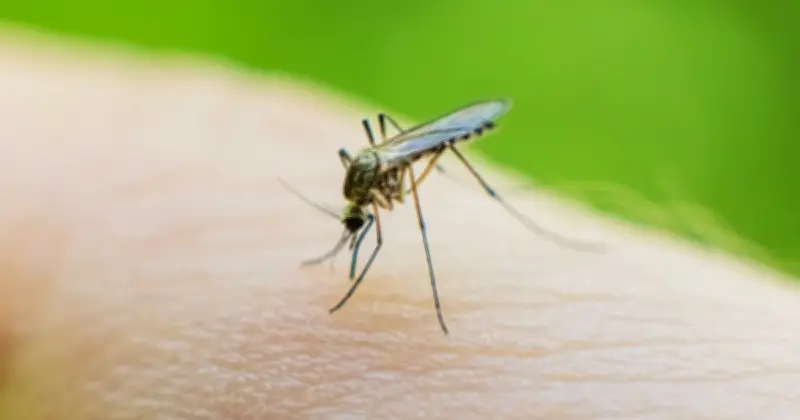
Health professionals have been placed on high alert after the detection of a serious mosquito-borne virus in the popular holiday island in the Canary Islands. Officials have confirmed the presence of the brain-swelling disease West Nile Virus (WNV).
The Ministry of Agriculture has verified the virus at an equestrian centre in Gran Canaria and is examining additional suspected cases, according to local media reports.
Severe cases and symptoms
Severe cases can lead to serious reactions such as paralysis and brain and spinal inflammation, the US Centers for Disease Control and Prevention says.

While the disease generally follows an asymptomatic course in both horses and humans, a small proportion of cases may progress to a severe clinical form characterised by encephalomyelitis with neurological symptoms.
Diario de Avisos reports that the Central Veterinary Laboratory (LCV) in Algete has verified the presence of the West Nile virus (WNV) in three horses housed at the same equestrian centre in southern Gran Canaria.
Surveillance intensified
Clinical surveillance has now been intensified in the so-called Maspalomas Basic Health Zone, particularly for people who show symptoms consistent with WNV infection who have a history of living in or visiting the affected area.
The virus has claimed 67 lives across Europe in a 12-month spell. The Mirror reported in May this year that mosquitoes carrying the potentially deadly virus had been found in the UK.
At the time, the UKHSA said: "Humans can become infected with WNV following a bite from an infected mosquito. Other routes of transmission include from mother to unborn child, through breast milk, and through blood transfusions and organ transplants from infected donors. However, these are a small proportion of global infections.
"Acute infection with WNV may cause illness characterised by fever, headache, muscle aches and a rash. Although a large proportion of infections with WNV are asymptomatic, or have mild symptoms that resolve within a week, about 1 in 150 cases develop disease in the brain and nervous system. This typically presents as meningitis, encephalitis or acute flaccid paralysis."
Public health guidance
In Gran Canaria, the Directorate General of Public Health notes that most infections see no symptoms. About 20% of infected people may develop neurological complications. In light of this, healthcare professionals in southern Gran Canaria have been advised to maintain heightened vigilance for potential cases presenting with compatible symptoms, especially where there is a history of mosquito bite exposure in the affected areas. They are also being urged to report suspected cases to the Directorate General of Public Health for further checks.
Local officials have stressed that horses and humans are considered "epidemiological dead-end hosts", meaning they are incapable of transmitting the infection or serving as reservoirs for the virus.
The new information on the virus was published by the Directorate General for Agri-food Production Health and Animal Welfare, a division of the Ministry of Agriculture, Fisheries and Food (MAPA), following the August 19 update on the state of the West Nile virus in Spain.
Officials have confirmed there are currently further clinical suspicions surrounding potential new cases at the facility, all of which remain under investigation. Across Spain as a whole, the disease has been identified during the current 2026 season in birds or horses across the autonomous communities of Andalusia, Catalonia, Extremadura, and the Canary Islands.
The Directorate General of Public Health of the Canary Islands Health Service (SCS) has now activated its established entomological and epidemiological surveillance protocols. These measures are being implemented in conjunction with the Directorate General for Livestock of the Canary Islands Government's Department of Agriculture, Livestock, Fisheries and Food Sovereignty, and the Institute of Tropical Diseases at the University of La Laguna (ULL).