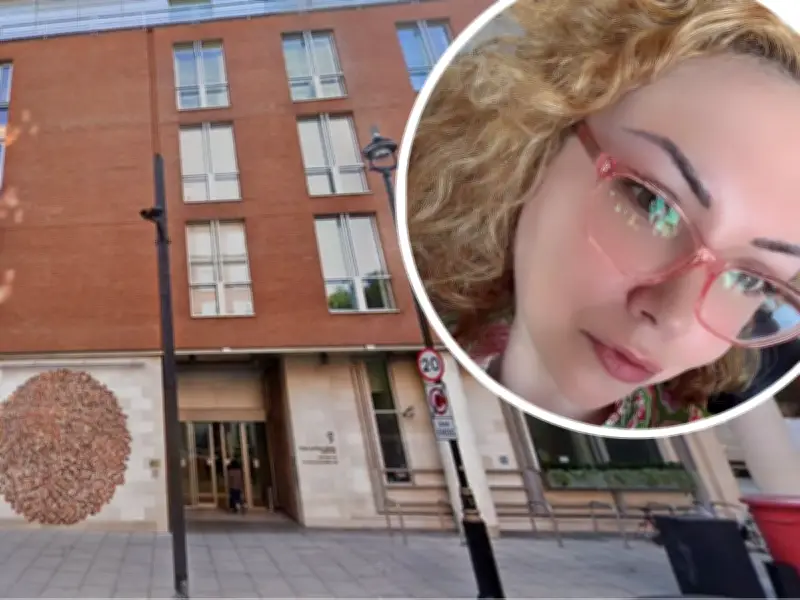
Jennifer Furno, a Newcastle woman, was initially told she had an autoimmune condition called vasculitis after experiencing severe leg swelling and a body rash. However, she later discovered she had a rare form of cancer. Now two years cancer-free, she has spoken out about her experience.
Misdiagnosis and Delayed Treatment
Furno, then 36, began experiencing swelling in her legs that made it difficult to walk, along with a rash all over her body. She was told it was an immune reaction, potentially linked to a recent Covid-19 vaccination. After six months, she was diagnosed with vasculitis and received various treatments through the NHS, but her condition worsened.
“I was told I had an autoimmune condition called vasculitis and I was given lots of different treatments within the NHS. I ended up thinking I had this disease for two years. But it wasn’t vasculitis,” she said.

Seeking a Second Opinion
Furno’s symptoms escalated to extreme fatigue, night sweats, joint pain, and eventually she lost the ability to walk. She decided to use her employer’s medical insurance to seek another opinion and was referred to the London Clinic, where a biopsy identified signs of a rare cancer.
“I think you know yourself when there’s something wrong with your own body. It’s like you have this gut feeling. I felt like I was dying,” she said. She found Professor Gribben, a haematology expert, and began treatment in October 2023.
Diagnosis and Treatment
Furno was diagnosed with peripheral T cell lymphoma (PTCL), a subtype of non-Hodgkin lymphoma. Chemotherapy in March 2024 helped alleviate her symptoms, and she went into remission. However, she still needed a stem-cell transplant, which carried a 20% risk of death.
“I was in my mid 30s when it all happened, and because of the late diagnosis, it wasn’t possible to save my fertility. I just had to go in, go into it. And it was really difficult,” she said. During the transplant, she developed sepsis, and Professor Gribben cancelled a trip to California to be with her.
Recovery and Gratitude
Furno’s stem cell donor, a bee farmer in Belgium, had been on the register for a decade. They have exchanged anonymous letters, as Belgian law prevents donors from identifying themselves. Furno is now approaching two years cancer-free and says, “I’ve just come back to life. I’ve been given my life back.”
Professor Gribben commented, “Jennifer had a very unusual type of lymphoma… we were able to identify that Jennifer had an aggressive type called Peripheral T cell lymphoma that in her case was also invading the skin and causing a vasculitis type reaction. This diagnosis made Jennifer a candidate for a stem cell transplant.”