Asbestos in Play Sand Can Become Airborne, Study Finds
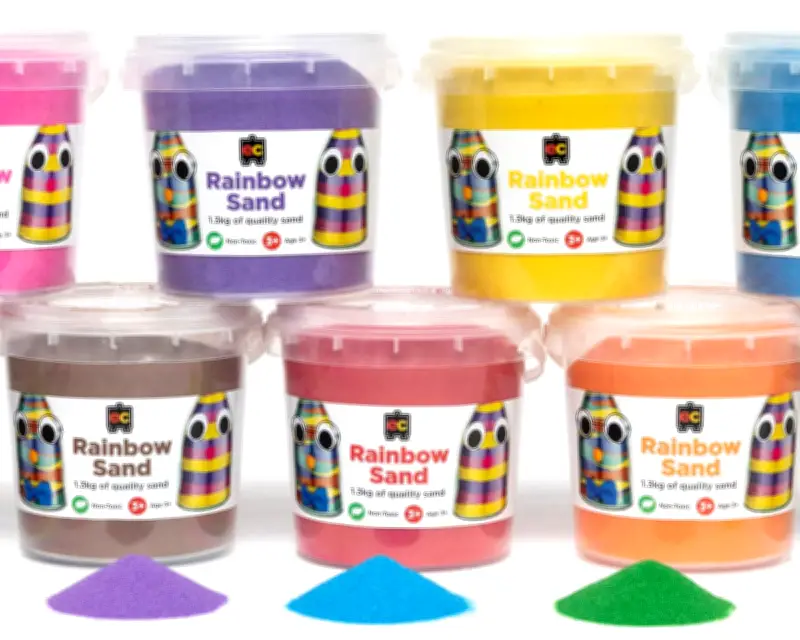
A new study has revealed that children's play sand contaminated with asbestos can release hazardous airborne fibres when played with, contradicting earlier public messaging that recalled products were low-risk. The research, led by Associate Professor Terri-Ann Berry of Auckland University of Technology (AUT), tested 15 products sold by three different companies in Australia and New Zealand.
Study Details
The study tested 11 dusty 'craft' sands and four 'moulding sands' containing additives to make them sticky. Researchers simulated children's play using plastic spoons, toy cars, and scoops. Nine of the 11 craft sands produced airborne asbestos fibres regardless of play intensity, while only one did not release fibres, and another was an uncontaminated control sample. None of the moulding sands released airborne particles.
Recall Background
Between November 2025 and May 2025, at least 22 children's sand products were recalled in Australia due to asbestos concerns. Many were sold at leading retailers such as Officeworks and Kmart. The ACCC confirmed these products were sold in Australia, and some were also sold in New Zealand, prompting the jointly funded research.
Expert Comments
Berry said the results were concerning but urged parents not to panic. 'Our idea was, well, wouldn't it be great if we can test and there are no fibres in the air and everyone takes a sigh of relief. Obviously, [the findings] were not what we wanted,' she said. Berry presented the findings to about 50 people from Australian bodies including the Asbestos and Silica Safety and Eradication Agency (Assea).
Retailer Responses
Officeworks and Kmart, two of the biggest retailers involved in the recall, said they had asked AUT for a copy of the findings. When products were initially recalled, Officeworks stated there was 'no identifiable safety hazard,' while Kmart said asbestos traces were unlikely to be released unless mechanically crushed. Both companies now say safety is their priority and will evaluate further action as the study undergoes peer review.
Regulatory Actions
The ACCC said it was 'working with suppliers of recalled products on the wording of their recalls' and urged retailers to consider the new information in their risk assessments. An ACCC spokesperson said retailers should 'take further action, including recall action, as appropriate to address the risk to consumers.' Guardian Australia contacted Assea for comment.