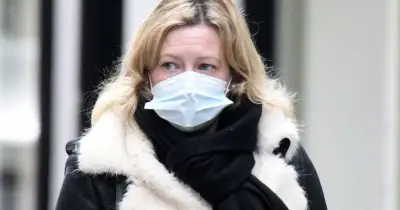
Boots Superintendent Pharmacist Claire Nevinson has outlined the symptoms of XFG Covid, the strain now dominant in the UK, as recent data shows an increase in Covid activity and hospital admissions. The XFG (Stratus) subvariant was first detected in January 2025 but became known as "American Covid" after spreading widely in the USA last year.
According to the UKHSA, Covid activity has increased but remains at low levels, with hospital admissions also rising. The latest statistics show 950 Covid hospital admissions in England during August, jumping to 4,939 in September. The most recent figures also recorded 28 Covid deaths in England in the latest week, a rise of nine compared to the previous week. XFG and its related sub-lineages now account for nearly half of all sequenced samples in the most recent UKHSA data.
UKHSA epidemiologist on XFG strain
Dr Alex Allen, Consultant Epidemiologist at UKHSA, said: "While Covid-19 activity has shown some recent increases, cases remain at low levels in the UK." He added: "It's completely normal for viruses to change over time. The strains currently going around, including those known as XFG, are closely related to strains that have been with us for over a year, so this isn't something new."
"We're also not seeing any evidence that these are making people more ill or spreading faster than before, and this year's autumn vaccine has been specifically designed to protect against them. If you are eligible for a Covid-19 vaccine it is because you are at greater risk of severe illness and being hospitalised. Don't risk it, get the vaccine and give yourself the best protection."
Covid-19 is an illness affecting the lungs and airways, caused by the SARS-CoV-2 virus. It is a respiratory condition that spreads through coughs, sneezes, close contact with infected individuals, or touching contaminated surfaces before touching the eyes, nose, or mouth. Claire Nevinson explains that while fresh variants this year, including XFG, are emerging, there is currently minimal evidence suggesting these produce different symptoms compared to other strains.
Common symptoms of Covid including XFG
Symptoms can vary between individuals and may resemble a cold or flu. Typical signs of Covid-19 include:
- High temperature or chills
- New, continuous cough or coughing frequently
- Loss of, or change to, sense of smell or taste
- Shortness of breath
- Feeling tired or exhausted
- Aching body
- Headache
- Sore throat
- Blocked or runny nose
- Loss of appetite
- Diarrhoea
- Feeling or being sick
Claire said: "Most people with Covid-19 will feel better within a few weeks and there are steps you can take to help ease symptoms, like drinking plenty of water and getting lots of rest. Pharmacy teams can also offer advice on managing cold and flu-like symptoms and may recommend over-the-counter remedies to help you feel more comfortable."
Covid-19 jabs are available free through the NHS for those eligible, and can also be obtained privately, including via Boots. Claire has also shared advice on distinguishing between colds, flu, and Covid, and methods to ease symptoms.
How to tell if it's cold, flu, or Covid
Claire explained: "Common symptoms of both cold and flu include a sore throat, blocked or runny nose, sneezing and coughing. Cold symptoms tend to be milder and come on gradually. People usually start to feel better within a week or two."
"In contrast, flu symptoms tend to start more suddenly, be more severe and last longer. Common flu symptoms include a fever, aching muscles and chills."
"The main symptoms of Covid are a high temperature, a new, continuous cough and loss or change to your sense of taste or smell, but people can also get other symptoms which are very similar to colds and flu."
Relieving cold, flu, and Covid symptoms
Claire recommends for colds: "Whilst there's no cure for a cold, there are several things you can do to help relieve symptoms." These include resting, drinking plenty of fluids, eating a balanced diet with fruit and vegetables, taking paracetamol or ibuprofen for pain and fever, using cough medicine suitable for symptoms, decongestant sprays or tablets for a blocked nose, and sucking medicated throat lozenges. She added: "Not all over-the-counter medicines are suitable for everyone, so make sure you talk to your pharmacist or member of the pharmacy team about which treatments will be most suitable for you."
For flu, she said: "In most flu cases, there should be no need to visit your GP. As with a cold, the best way to recover is to rest at home, keep warm and drink plenty of water." The same medicines used for cold symptoms are considered to help relieve flu symptoms.
For Covid-19, Claire advised sitting upright or lying on your side for persistent coughing, and relaxing with slow breaths if breathless. If breathlessness worsens, she suggests going to 111.nhs.uk, calling 111, or contacting a GP surgery. For severe breathing difficulty, call 999 or go to A&E. She added: "If you think you may have Covid-19, have a high temperature and don't feel well enough to do your normal activities, you should try to stay at home and avoid contact with other people. You can go back to normal activities when you feel better or do not have a high temperature."
To prevent illness, Claire recommends good personal hygiene, regular hand washing, a balanced diet, hydration, sleep, stress management, and regular exercise. She also advises coughing or sneezing into a tissue, binning it, and washing hands with warm water and soap for at least 20 seconds, or using the crook of your elbow. Avoid sharing cups, cutlery, and towels, and clean your home regularly. She concluded: "Additionally, flu and Covid-19 vaccinations are the best way to help keep yourself and others protected from these viruses this winter and I encourage you to get these jabs if you are eligible on the NHS."