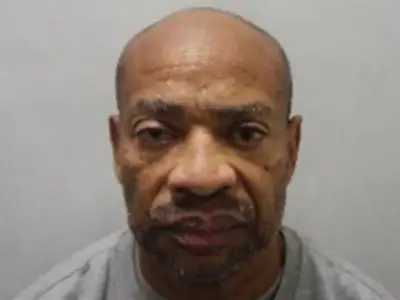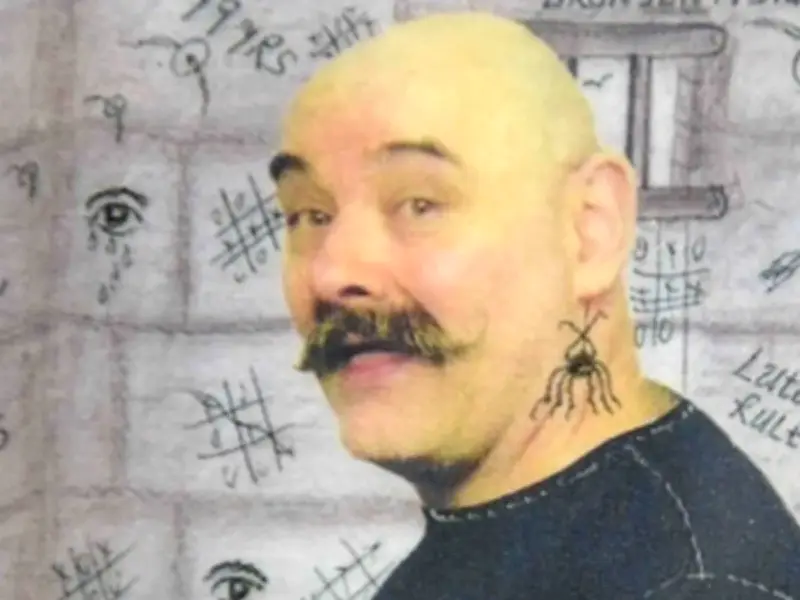
Prison insiders have revealed that Charles Bronson remains one of the most brutal and dangerous prisoners in the UK and will never be freed from prison. The revelation comes as the UK's Parole Board confirmed Bronson will be allowed to make his latest bid for release in November, meaning if granted, he could be a free man by Christmas.
Bronson, also known as Charles Salvador, will come before parole experts in a two-day oral hearing where he will list all the reasons he believes he should be let out. He will have a full examination for his eligibility for release on November 2 and 3 after spending more than five decades in custody.
Decades of Violence and Hostage-Taking
The now 73-year-old was first jailed in 1974 for armed robbery but repeated violence, taking hostages and bad behaviour behind bars mean his sentence was extended to life. Bronson has confessed to taking 11 hostages over the years and was dubbed 'most violent prisoner in Britain'.
Insiders have now revealed the true extent of what goes on behind closed doors at HMP Wakefield which means he will never be free, revealing he is still a danger to society. A prison insider revealed: "No risks are taken with him now, and that's behind bars, where people are protected. He is like a caged animal and there's no way they will suddenly allow him out and about and among the public."
Strict Protocols and Controlled Unlock
The Daily Star Sunday believes Bronson is still following a number of strict protocols behind bars - severe step-by-step procedures which are extreme even in a Category A lock up like Wakefield. One of these is that he is not allowed "one to one".
A source continued: "No one to one means a con is deemed too dangerous to be alone with anybody. It means almost no rehabilitation can be done with therapists or wellbeing, because we just don’t have the staff to facilitate it." "Similar to Axel Rudukauba he is on a controlled unlock he is still deemed so dangerous. Depending on how violent he has been - it can be anything from 3 officers at his door with a body worn camera - or officers in full riot gear."
He is also bound by controlled unlock rules. In standard prison wings, multiple cell doors can be opened at once, allowing a large number of inmates onto the landings at the same time, but despite the fact Bronson already is in solitary confinement, he still has to live by controlled unlock. This restricts movement by only opening a limited number of cell doors at one time, or opening them under the close supervision of a designated number of prison officers.
Rule 46 and Close Supervision Centre
"He is known to have assaulted staff, taken hostages, the works," they continued. "He is also bound by Rule 46, which is so serious that a decision has to be made by the Secretary of State to keep him away from everyone. It means a prisoner is deemed so dangerous that can’t mix with anybody else."
Bronson does not mix with the general prison population. Instead, he is housed in a highly restrictive, specialised Close Supervision Centre unit. The insider continued: "Officers have never seen so many alerts as he has, there is no way he gets parole - he is still the most dangerous prisoner in the country."
At present Bronson has been in solitary confinement 23 hours a day for 37 years on and off but the parole team could decide to lessen that - by either moving him to an open prison or even onto a normal wing among other prisoners to see how he gets on. Gurdeep Singh, a solicitor acting for Bronson said: "Mr Salvador is delighted with the fact he has been progressed to a full hearing but he is under no illusions; this is just the start of the fight for his release."
At his hearing in 2023, which was denied, he said: "It's no secret I have had more porridge than Goldilocks and the Three Bears, and I'm sick of it. I've had enough of it. I want to go home." A Parole Board spokesman said: "The Parole Board is an independent body whose members make judicial decisions on whether people who have committed serious offences or are assessed as potentially dangerous need to stay in public for the protection of the public. The parole process is focussed solely on risk and public protection is always our key consideration."