
Alison Hammond has expressed emotional concern after discovering that one in three Britons diagnosed with serious eye conditions such as glaucoma, cataracts, or age-related macular degeneration (AMD) have delayed or postponed potentially sight-saving treatment due to fear. The revelation comes from new research commissioned by Specsavers, which surveyed 2,000 adults.
Key Findings from Specsavers Research
The study found that nearly three in four people (73%) feel anxious about receiving treatment on their eyes—more than any other body part. Among those diagnosed with a serious eye condition, 31% delayed or postponed treatment, with 55% waiting four months or longer. Alarmingly, 11% have still not sought treatment. Specsavers reports that around 12% of those who postponed treatment ultimately lost their eyesight completely.
Alison Hammond's Personal Connection
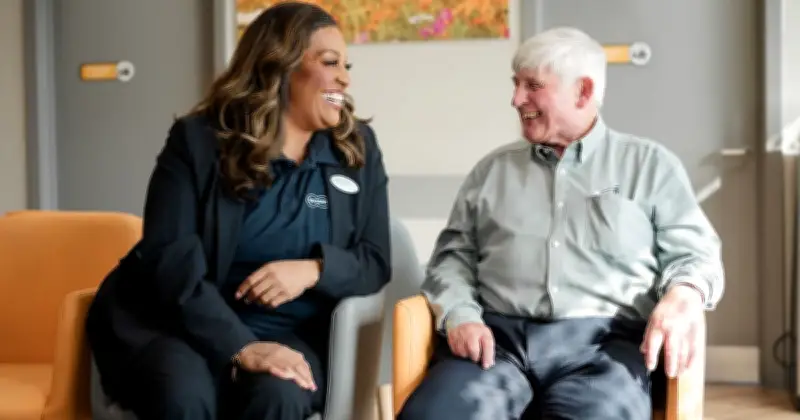
Alison Hammond, 51, presenter on This Morning, has a family history of glaucoma. She collaborated with Specsavers and Preet Bhara, optometry director at Specsavers Canley, on a three-part YouTube mini-series called The Recruit. The series highlights how routine eye tests can detect sight-threatening conditions. Hammond also visited Newmedica Birmingham, a state-of-the-art eye clinic, to observe modern eye treatments.
After hearing accounts from patients who underwent sight-saving procedures, Hammond was left emotional. She said: "Meeting people who were genuinely anxious about their eye surgery or treatment really stayed with me. I completely understand it, especially as someone with a family history of glaucoma. Your eyes are so precious so fear can take over when they are involved."
Patient Stories and Expert Insights
One patient, Charles, 78, from Solihull, West Midlands, was treated for AMD. He stated: "When I was first told I needed injections in my eye to treat my AMD, I'll admit I was petrified but the team at Newmedica put me at ease completely. After my first two injections, the blur affecting the vision in my left eye has already noticeably decreased. This improvement in my vision has made such a positive impact and allows me to continue living a full and independent life."
Ash Sharma, consultant ophthalmologist at Newmedica Birmingham, commented: "By the time patients reach us for treatment, many are understandably anxious about the procedure and its results. But modern eye procedures are highly advanced, quick, and deliver excellent outcomes for the majority of people. Part of our role is helping patients feel informed and reassured so they feel confident seeking treatment sooner."
Importance of Early Detection
Specsavers notes that two million people in the UK live with sight loss, and more than half are blind or partially sighted due to irreversible eye conditions like AMD and glaucoma. Preet Bhara explained: "Cataracts, glaucoma and AMD are among the leading causes of vision loss in the UK and collectively affect millions of people. While these conditions can often be picked up during a routine eye test, research shows a whopping 19 million people are failing to keep up with them. We recommend getting your eyes checked every two years as catching these conditions early can often be the difference between preserving someone's eyesight and losing it."




