Around 600,000 men in the UK are taking steroids that can damage their fertility, according to a new study. Both prescribed steroids and those bought on the black market are linked to lower sperm counts, with unregulated use on the rise as private clinics can prescribe them for 'fatigue' and users often obtain them through their own gyms.
Study reveals widespread lack of awareness
A survey by the Centre for Reproductive and Genetic Health (CRGH) and Examen estimated that a third of users do not know the impact the drugs can have. The findings highlight growing concern over the availability of these substances.
Steroids are synthetic drugs used to help the body build muscle, making them popular among gym-goers. They are Class C drugs, which are legal to possess and use, but supplying or selling them is illegal and carries a maximum penalty of 14 years in prison.
Personal story of infertility
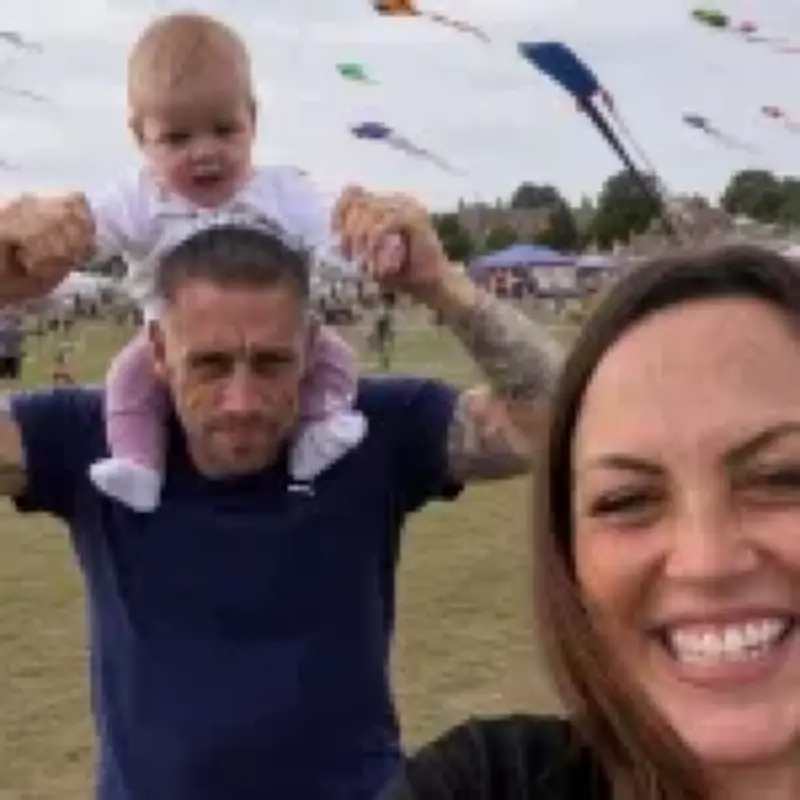
Brett Cole, 43, from Chatham, Kent, was told in 2019 that he had a zero sperm count after he and his wife Ali had been trying to have a baby for years. He had sourced steroids from his martial arts gym and was told the regular use had affected his fertility.
He said: 'I felt entirely responsible. When you know your poor choices have caused this and then you have to watch your partner suffer through procedures themselves, even though it’s not their fault, you still feel like you are the cause. That feeling stays with you.'
Taking steroids was normalised at the gym Brett trained at, where it was seen as the best way to get fit. He added: 'Like most men, I thought I was invincible. I worked out regularly, but I also had a bad diet and drank at the weekends. I didn’t even know male infertility was a thing until it happened to me. A phrase I heard from the lads at the gym was about men “firing blanked”. When I realised what was happening, I felt completely alone and disappointed in myself.'
Treatment and outcome
Because Brett already had a son from a previous relationship, the couple were not entitled to NHS-funded IVF treatment. They went through a private clinic and multiple treatments, including having a needle inserted through the skin into the testicle, before welcoming their daughter Polly.
Dr Elpiniki Chronopoulou, fertility consultant, obstetrician and gynaecologist at CRGH, said: 'Male fertility challenges can often be overlooked, potentially delaying diagnosis and access to appropriate support. Ensuring that men feel heard, supported and included is essential every step of the way.'