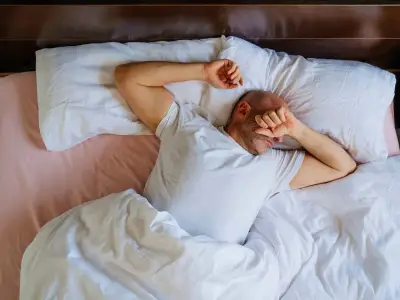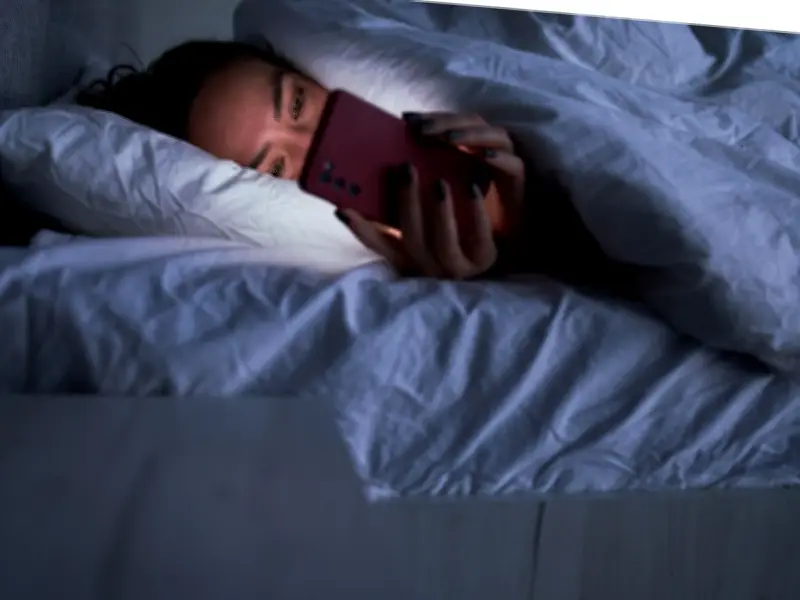
An NHS doctor has warned that checking your phone immediately after waking up could be triggering stress and anxiety before your day has even begun. Dr David Weinstein, an NHS GP based in Brighton, is urging people to adopt a simple '15-minute rule' instead of doom scrolling.
The '15-Minute Rule' Explained
Dr Weinstein recommends leaving your mobile phone outside the bedroom overnight and using a traditional alarm clock. For the first 15 minutes after waking, he advises avoiding all phone use and instead doing gentle stretches and thinking of a few things you're grateful for.
"I'm guilty of this myself, a lot of us reach for our phone as soon as we wake," Dr Weinstein admitted. "It's terrible, starting the day with stress and anxiety checking emails, and scrolling social media and the news."

Why It Matters
According to the GP, immediately exposing yourself to notifications and news gives an "instant hit of anxiety" and a cortisol spike much too early in the day. "We need a gentle introduction, otherwise it's a cortisol hit much too early," he explained. Cortisol is an essential hormone that regulates the sleep-wake cycle, but unnecessary stressors after waking can amplify anxiety.
Movement Over Screen Time
Dr Weinstein also warns against going straight from "bed to chair" or "bed to car," particularly for those working from home or commuting. Instead, he recommends spending about 15 minutes doing light exercise, such as stretching or taking a short walk outside. "Doing 15 minutes of movement clears your head, helps your mood and energy, and prepares you for the day," he said. "Bed to chair is a toxic thing that has become normal."
Backed by Research
His advice is supported by wider research. According to the Mental Health Foundation, regular physical activity can help reduce stress, improve mood and increase energy levels, while spending time outdoors is linked to better mental wellbeing. Research cited by the American Psychological Association has also found that constant exposure to news and digital notifications can contribute to stress and anxiety, especially when consumed first thing in the morning.
The NHS recommends regular exercise, mindfulness and limiting unnecessary stress where possible as part of maintaining good mental wellbeing.