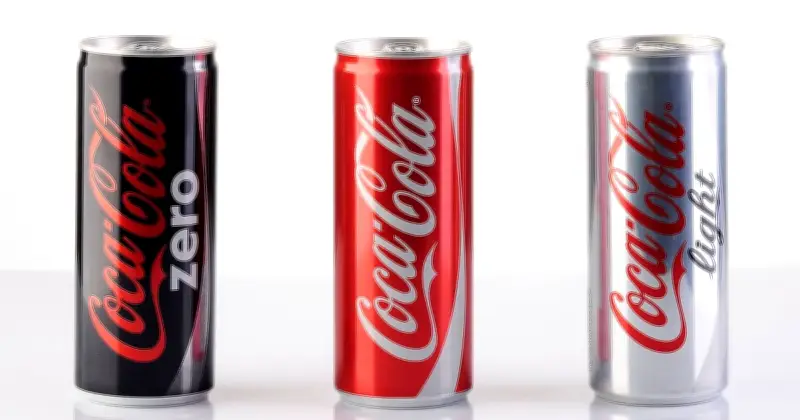
Diet Coke and Coke Zero are two of the world's most popular soft drinks, but many consumers remain confused about the differences between them and their potential health effects. Both beverages are sugar-free and calorie-free, according to the Coca-Cola Company, which reported that Coke Zero sales surged by 14% in 2025 while Diet Coke sales remained stable. The company generated $47.9 billion in revenue in 2025, translating to billions of bottles and cans sold worldwide.
Origins and Taste Differences
Diet Coke was launched in 1983 as Coca-Cola's first sugar-free cola. Coca-Cola Zero followed in 2006 and was replaced by Coca-Cola Zero Sugar in 2016. The Coca-Cola Company states the primary difference is taste: "Coca-Cola Zero Sugar looks and tastes more like Coca-Cola original taste, while Diet Coke has a different blend of flavours which gives it a lighter taste."
Ingredients lists show minor variations. Diet Coke contains carbonated water, colour (caramel E150d), sweeteners (aspartame, acesulfame K), natural flavourings, caffeine flavouring, and acids (phosphoric acid, citric acid). Coca-Cola Zero includes carbonated water, colour (E150d), acid (phosphoric acid), sweeteners (aspartame, acesulfame-K, enzymatically produced steviol glycosides), natural flavourings, caffeine flavouring, and acidity regulator (sodium citrates).
Do Diet Sodas Help with Weight Loss?
While both drinks list 0g of fat, carbohydrates, and sugar, research on weight loss is inconclusive. In a Harvard Medical School article, Robert H. Shmerling states: "Research suggests that none of these choices may actually help with weight loss. Worse, they might even lead to weight gain." He notes that artificially sweetened diet sodas may create cravings for sweet, high-calorie foods. Rodent studies have shown that aspartame may damage a brain region that signals when to stop eating. However, Shmerling concedes that findings are inconsistent and that "other studies have found that artificially sweetened low-calorie beverages can help with weight loss." He also highlights "reverse causation" as a complicating factor, where people predisposed to obesity may choose such drinks.
Are Diet Coke and Coke Zero Bad for You?
Both beverages contain chemically manufactured ingredients, including colour (caramel E150d), sweeteners (aspartame, acesulfame K, enzymatically produced steviol glycosides), natural flavourings, and caffeine flavouring. The Zoe Science and Nutrition website states: "Just because something has no calories doesn't mean it's healthy." Dr. William Li, a physician and author, told the Zoe podcast: "The preponderance of clinical evidence, public health evidence, shows that high consumption of soda is associated with everything from metabolic disease to cardiovascular disease to cancer risk." However, scientists continue to investigate the long-term health effects.
Consumer Preferences
Online forums are filled with opinions on the taste difference. On Reddit, one user commented: "Flavour wise, Coke Zero is supposed to be closer to regular Coke while Diet Coke is much more distinct." Another said: "I'm a life-long Diet Coke drinker and I can definitely taste the difference. Zero is too sweet. I don't want something that tastes like Coca-Cola. I want something that tastes like Diet Coke."