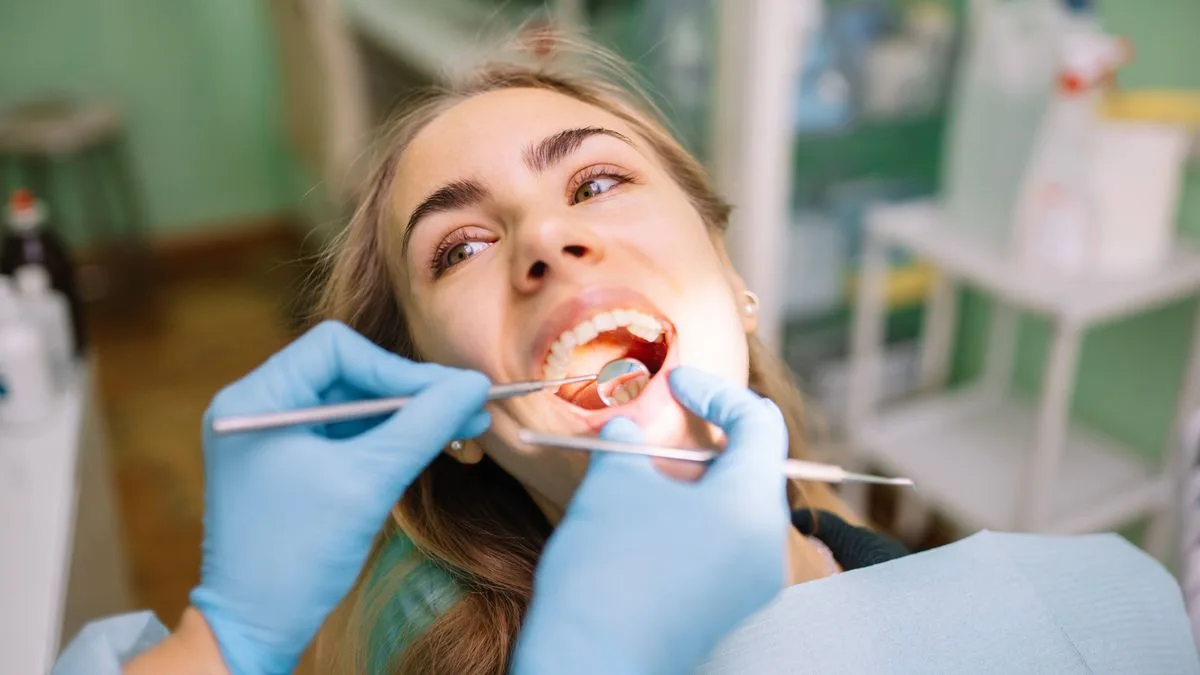
A dentist has issued a warning about a 'silent' stress-induced habit that is causing lasting damage to teeth across the UK, with most people completely unaware they are doing it. By the time the majority notice a real problem, the harm is already done.
The Hidden Impact of Stress on Teeth
Many individuals grappling with high stress levels think about broken sleep, low mood, or tension headaches. Far fewer consider what that stress could be doing to their teeth. Dr Bhavika Parekh, a dental surgeon at Smile n Shine, reports that dentists are increasingly treating patients with worn-down teeth, cracked enamel, and aching jaws. This is frequently the result of bruxism, the involuntary grinding or clenching of teeth, most commonly during sleep.
Dr Parekh stated: 'The signs are unmistakable once you know what you are looking for. Teeth that are flatter than they should be, enamel that is cracking, and patients who mention waking up with a tight jaw or a dull headache every morning. When I ask about stress levels, it is almost always the common thread. You can often read someone's stress levels in their teeth long before they have joined the dots themselves.'
How Damage Accumulates Quietly
The harm caused by bruxism accumulates quietly over months and years until something forces you to take notice. Usually, this can be a cracked tooth, a persistent aching jaw, or teeth that suddenly feel far more sensitive than they once did. 'By the time patients come in with symptoms they've actually noticed, I can already see the longer-term damage in their teeth,' says Dr Parekh. 'It's one of those things where earlier is always better.'
Bruxism in Children and Teenagers
Bruxism is not exclusively an adult concern; it is actually more common amongst children and teenagers than older adults. With exam season well under way, followed by GCSE and A-level results, the weeks ahead are set to be amongst the most stressful of the year for youngsters across the country. Dr Parekh added: 'Children and teenagers are just as susceptible as adults, often more so, but parents almost never make the connection. If your child is waking up with jaw pain, getting frequent morning headaches, or you can hear grinding in the night, those are warning signs. Results season is an important time to pay attention.'
Five Things to Do If You Think You're Grinding Your Teeth
- Check your mouth in the morning: A tight jaw, a dull headache, or sensitive teeth when you wake up are the classic signs. Most people brush it off as tiredness.
- Talk to your dentist about it: You don't need to wait for a toothache. Tell your dentist you think you might be grinding and they'll be able to see the evidence in your teeth. The sooner you flag it, the better.
- Ask about a night guard: The most common treatment is a custom-fitted night guard worn while you sleep. It won't fix the stress, but it stops your teeth from taking the hit while you work on that.
- Consider jaw Botox if it is more serious: For persistent or severe grinding, some dentists now offer Botox injections into the jaw muscle to reduce the force of clenching. It sounds intense, but it is quick, effective and increasingly common for severe cases.
- Sort your screen habits before bed: Research shows every extra hour of screen use in bed increases your insomnia risk by 59%. Less scrolling, more winding down. Your jaw will thank you.
The NHS website suggests taking painkillers like paracetamol or ibuprofen if you have jaw pain or swelling. Experts claim that an ice pack (or bag of frozen peas) wrapped in a tea towel for 20 to 30 minutes can help reduce jaw pain or swelling.