Weight-Loss Drug Users Sue Over Blindness and Death Side Effects
Americans who suffered devastating side effects after taking GLP-1 drugs Ozempic and Wegovy, and another who lost his wife, are suing manufacturers, claiming inadequate warnings about life-altering risks. "If someone would have told me a drug could make me blind, I would never have taken the first shot," one plaintiff told The Independent.
Popular Jabs Linked to Permanent Vision Loss
An estimated 31 million Americans are currently on GLP-1 medications, driven by pervasive ads and celebrity testimonials promising weight loss. These promotions include mandated warnings about potential side effects from semaglutide, the active ingredient, but over 4,000 plaintiffs allege they received no adequate warning of severe conditions.
Plaintiffs include a nurse practitioner who woke up blind in one eye, a grandfather unable to see his grandchildren's faces, and a California man whose wife died after violent vomiting episodes. They argue that with proper risk disclosure, they would have avoided the drugs.

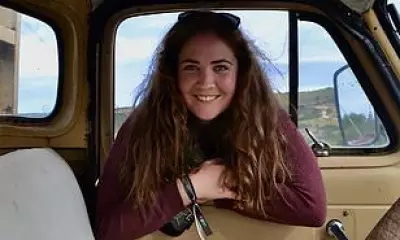
Diane Wirth, 66, from Hartwell, Georgia, went blind in her right eye after taking Wegovy for weight loss. Diagnosed with non-arteritic anterior ischemic optic neuropathy (NAION), a permanent condition from compromised blood flow to the optic nerve, she was forced to retire early from her nursing career. "It's definitely a shock," she said, noting she had no prior health issues.
Her attorney, Jason Goldstein, stated that NAION "permanently alters a person's independence, livelihood, and quality of life." Following a European Medicines Agency warning, Novo Nordisk updated labels in Europe to warn that semaglutide may cause NAION in up to 1 in 10,000 patients, but U.S. labels only mention vision changes generally.
Living in Fear of Total Blindness
Wirth now fears developing NAION in her other eye, a risk affecting 15% of patients within five years. "You're afraid to go to sleep," she explained, adding she wakes at night to check her vision.
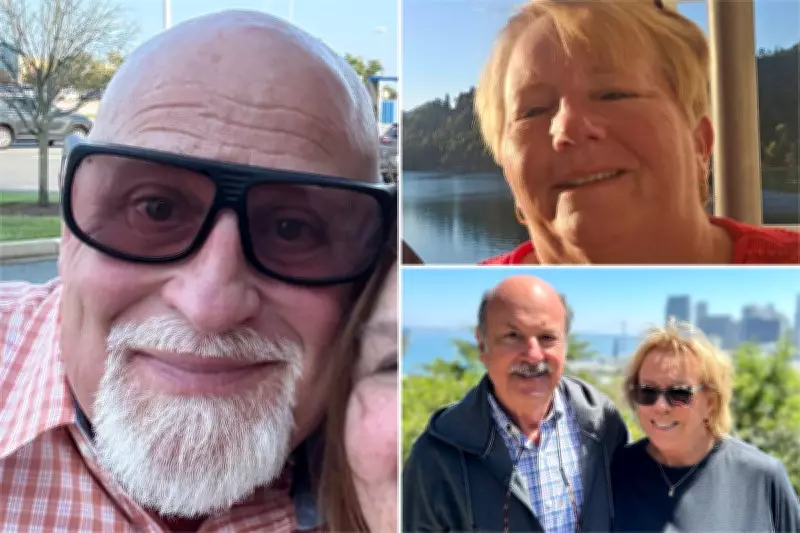
This fear became reality for Todd Engel, 63, from Howard County, Maryland, who lost vision in both eyes due to NAION after taking Ozempic for type-2 diabetes. "I will never see my wife's beautiful face ever again," he said, describing the loss as catastrophic. His wife, Shelley, noted their grandchildren now lead him by hand, a heartbreaking role reversal.
Both Wirth and Engel miss daily activities like reading, meal prep, and playing with grandchildren, highlighting the profound impact on their lives.
FDA Reprimands and Mounting Lawsuits
Novo Nordisk recently received an FDA warning letter for "serious violations" in failing to report potential side effects. Two multi-jurisdiction class actions are underway: one for gastrointestinal injuries and another for vision loss, overseen by the same judge. Lawsuits alleging gastrointestinal injury are in pre-trial phases in Pennsylvania.
A Novo Nordisk spokesperson stated patient safety is the company's "top priority," emphasizing the "favorable" benefit-risk profile of semaglutide based on clinical trials and low NAION incidence rates. The company collaborates with regulators worldwide.
Tragic Death Linked to Weight-Loss Drug
In early 2024, Marsha Ettinghoff, 76, from Orange County, California, started Ozempic for weight loss to fit into a dress for her son's wedding. Six months later, she died suddenly while on vacation after episodes of violent vomiting.
Her husband, Tracy Ettinghoff, filed a wrongful death suit, alleging her death was preventable. "She didn't have any symptoms until a week before she died," he said, describing how she became non-responsive and died in the car en route to the hospital.
Medical records suggested gastroparesis, or stomach paralysis, as a factor, with attorneys arguing drug labels inadequately warn of this risk. The medical examiner cited pulmonary aspiration as the immediate cause, but evidence points to bowel obstruction and delayed gastric emptying from Ozempic use.
Ettinghoff hopes his wife's case prompts others to weigh risks, criticizing the "miracle drug" marketing that fuels a market projected to reach $150 billion by 2030. "That's why they're making billions," he said, urging full public awareness of potential dangers.