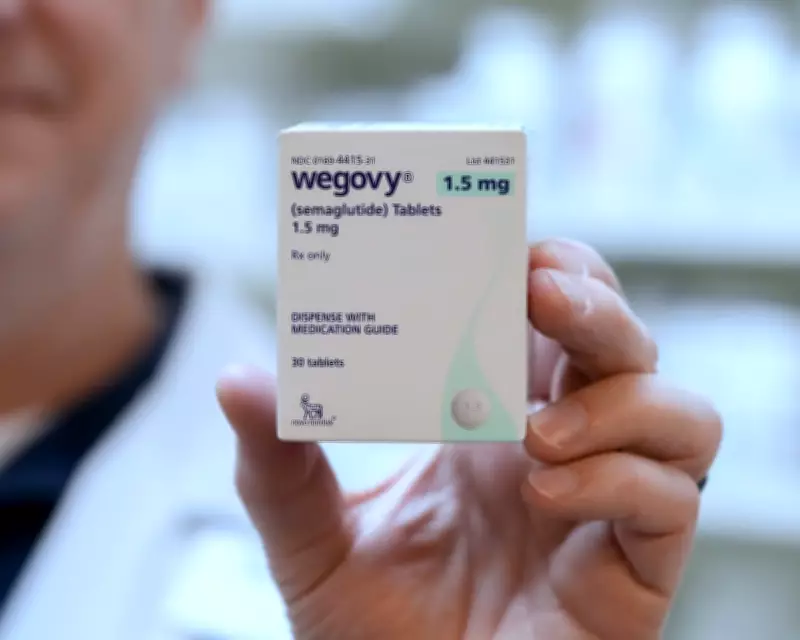
Wegovy Pill's Record Launch Fuels $200bn Weight-Loss Market Expansion
The Wegovy pill has achieved a remarkable start in the United States, with health analysts hailing it as the fastest drug launch in history. This oral medication, developed by Novo Nordisk, recorded an impressive 50,000 prescriptions per week by late January, surpassing the initial uptake of its injectable counterpart and rival treatments. The US Food and Drug Administration approved the pill on December 22, paving the way for a transformative year in the anti-obesity sector, which is forecast to be worth $200 billion by the end of this decade.
Personal Journeys and Market Shifts
Melody Ewert, a 44-year-old graphic designer from Minnesota, exemplifies the growing trend of patients switching from injections to pills. After losing 22.7 kilograms with Eli Lilly's Zepbound injection, she transitioned to the daily Wegovy pill due to changes in her health insurance, which reduced her monthly cost from $449 to $25. Ewert notes that the pill offers consistent appetite suppression daily, unlike the fluctuating effects she experienced with weekly injections.
Patrick, a 33-year-old parts manager from New Jersey, also switched to the Wegovy pill after regaining weight post-injection due to insurance issues. Paying $150 monthly out-of-pocket, he has lost 6.8 kilograms on the starter dose and aims to replicate his previous 34-kilogram weight loss. These stories highlight how pills are attracting needle-averse individuals and those seeking more affordable, convenient options.

Global Implications and Challenges
In the United Kingdom, the Wegovy pill is under regulatory review and expected to launch later this year, though NHS availability remains uncertain. Concerns persist over fake versions flooding the market, as pills are easier to counterfeit than injections. Despite stigma, usage is rising, with a University College London study revealing 1.6 million users in Great Britain between early 2024 and 2025, predominantly women aged 45 to 55. Nearly 10% of British adults have used or desire weight-loss drugs, mirroring trends in the US where affordability barriers exist.
The global obesity crisis is accelerating, with over half of adults projected to be overweight or obese by 2050, according to The Lancet. JPMorgan Chase analysts predict the GLP-1 market will surge from $75 billion to $200 billion by the early 2030s, driven by increasing demand, particularly in lower-income nations.
Big Pharma's Competitive Race
Novo Nordisk faces stiff competition from Eli Lilly, which plans to launch its weight-loss pill, orforglipron, as early as April. Unlike Wegovy, Lilly's pill is a small molecule that does not require fasting, potentially offering greater absorption. However, pills are generally less effective than injections, with studies indicating higher dropout rates due to side-effects like nausea and vomiting. Analysts at Goldman Sachs identify 2026 as a pivotal year for the obesity market, with pill launches expected to expand the addressable patient population significantly.
Novo's shares fell 17% in early February after profit warnings, but the company remains a key player. Other contenders include AstraZeneca and biotech firms like Structure Therapeutics, all racing to develop next-generation treatments. Dr. Sophie Dix of MedExpress notes that the global impact of GLP-1 drugs is still nascent, emphasizing the vast untapped market.
Economic and Health Considerations
Cost-effectiveness remains a critical issue. Research from the University of Chicago Medicine suggests that while GLP-1 injections reduce stroke and heart attack risks, their high price challenges government budgets. Pills may offer a more economical alternative. The US Medicare program will begin covering GLP-1 medications in April, potentially boosting accessibility.
Side-effects and supply chain concerns linger, with experts calling for more research into links between GLP-1 drugs and health complications. Nonetheless, the shift from injections to pills represents a major step toward mainstream adoption of weight-loss therapies, promising to reshape healthcare landscapes worldwide.