
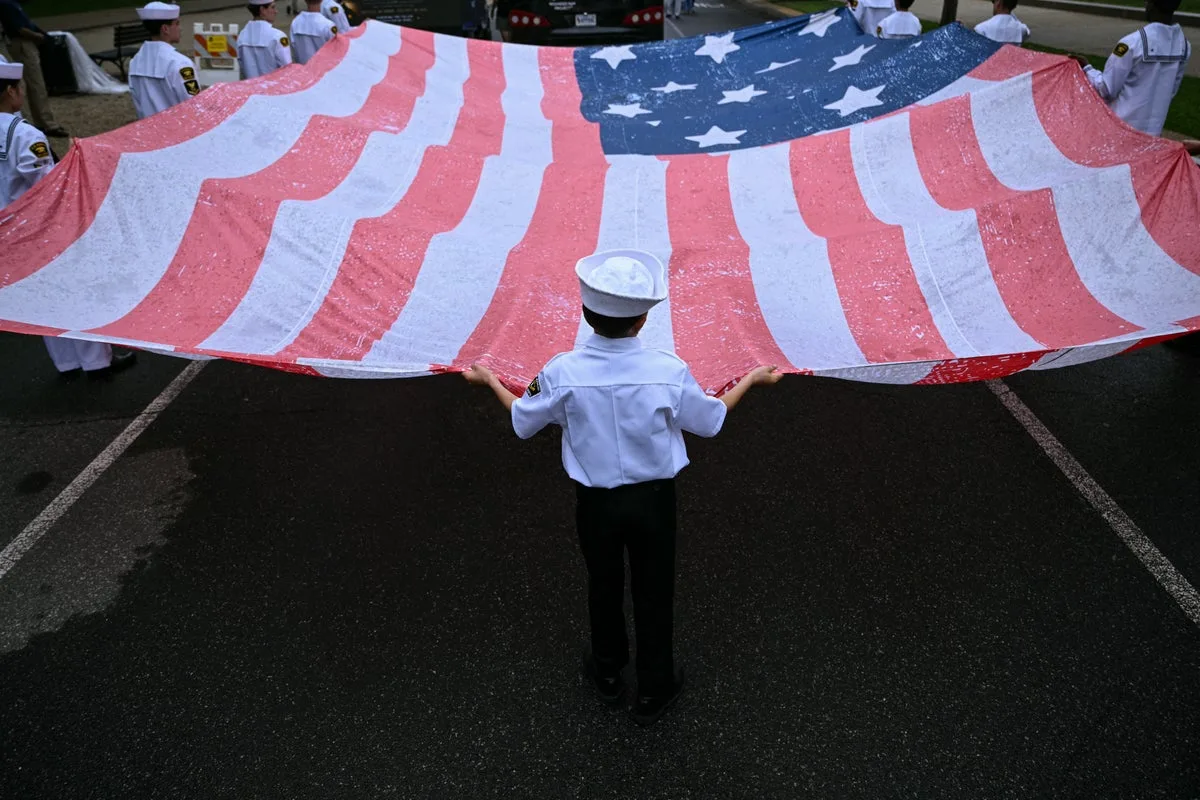
Memorial Day, a federal holiday in the United States observed on the last Monday of May, has evolved from its solemn Civil War origins into a day marked by long weekends, travel, and retail discounts. The holiday is dedicated to honouring fallen service members, with a National Moment of Remembrance encouraging a 3 p.m. moment of silence.
The holiday's roots trace back to the American Civil War, which claimed over 600,000 lives. The first national observance, then known as Decoration Day, took place on May 30, 1868, initiated by Union veterans who decorated war graves with flowers. While Waterloo, New York, is often cited as the birthplace, other communities had earlier practices, including Boalsburg, Pennsylvania, in October 1864.
Yale history professor David Blight highlights a significant event on May 1, 1865, in Charleston, South Carolina, where as many as 10,000 people, many of them Black, held a parade and dedicated graves of Union soldiers. However, concerns about the holiday's purpose emerged early. In 1871, abolitionist Frederick Douglass warned against forgetting the Civil War's true cause: enslavement.
The holiday's transformation accelerated in 1971 when Congress moved it to the last Monday of May, creating a three-day weekend. This shift acknowledged its evolution into a more general remembrance and a day for leisure. Today, Memorial Day sales and travel are deeply ingrained, though the holiday retains its core purpose of honouring the fallen.




