Eli Lilly Issues Urgent Warning Over Counterfeit Weight-Loss Drugs
Urgent Warning Over Counterfeit Weight-Loss Drugs

Pharmaceutical titan Eli Lilly has issued an urgent public health warning concerning counterfeit versions of its highly popular weight-loss medications Mounjaro and Zepbound. The company has identified "critical safety issues" in compounded copycats of tirzepatide, the active ingredient in its FDA-approved drugs, raising alarms over patient welfare.

Significant Impurities Found in Compounded Drugs

On Thursday, Eli Lilly announced that laboratory testing revealed "significant levels of an impurity" in compounded medications claiming to contain tirzepatide. The company specifically highlighted products that combine tirzepatide with vitamin B12, noting that impurities resulted from "a chemical reaction" between the two substances. This discovery underscores the potential dangers of unregulated pharmaceutical compounding.

What Are Compounded Medications?

Compounded drugs are custom-made medications prepared by pharmacies to meet specific patient needs that cannot be addressed by commercially available, FDA-approved drugs. While this practice is legal under certain circumstances, the crucial distinction is that the Food and Drug Administration does not review compounded medications for safety, quality, or effectiveness. This regulatory gap creates significant risks of improper dosages, contamination, and unknown side effects for patients.

Wide Pickt banner — collaborative shopping lists app for Telegram, phone mockup with grocery list

Unknown Risks to Patients

Eli Lilly emphasized that the "risks to patients are unknown because tirzepatide has never been studied in combination with B12." Furthermore, the company noted that compounders creating these combination drugs "are not required to monitor or report adverse events," leaving patients vulnerable without proper safety oversight.

"People receiving tirzepatide-B12 products from compounders, telehealth companies, medspas or anyone else should be aware that they may be using a potentially dangerous product with unknown risks," the pharmaceutical giant stated in its official announcement.

FDA Crackdown on Unapproved Weight-Loss Drugs

This warning follows recent FDA action to restrict sales of non-approved compounded weight-loss medications. Last month, the regulatory agency announced it would "take decisive steps" to limit distribution of these drugs to "safeguard consumers from drugs for which the FDA cannot verify quality, safety or efficacy."

Eli Lilly pointed out that despite FDA and federal court confirmation that "mass-compounding of tirzepatide must stop, some entities continue to do it, claiming to offer 'personalized' versions by adding untested additives, such as B12, to compounded tirzepatide."

The Rise of Compounded GLP-1 Drugs

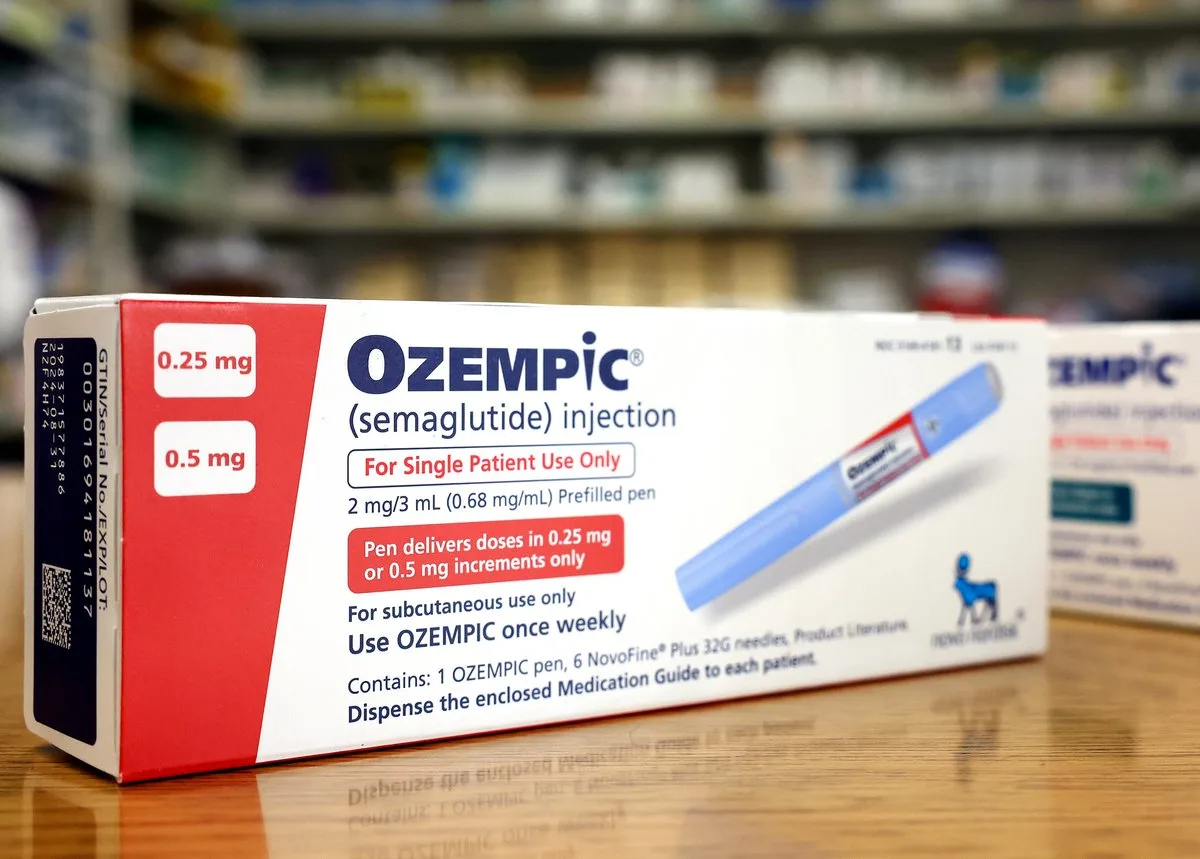
The popularity of compounded versions of GLP-1 medications like tirzepatide and semaglutide (the active ingredient in Ozempic and Wegovy) has surged in recent years, driven partly by shortages of the FDA-approved versions. According to November 2025 data from the Kaiser Family Foundation, approximately one in eight Americans has tried a GLP-1 drug for weight loss, diabetes, or conditions like polycystic ovary syndrome (PCOS). This represents a dramatic increase from the roughly six percent reported in a February 2024 Gallup poll.

Compounded versions have gained traction not only due to availability but also because of significantly lower costs. These knockoff drugs typically range from $130 to $450 per month, compared to over $1,000 monthly for brand-name versions without insurance coverage.

Legal Actions Against Distributors

Both Eli Lilly and Novo Nordisk, manufacturer of Ozempic, have pursued legal action against companies distributing compounded versions of their medications. Earlier this month, telehealth company Hims announced it would cease marketing these drugs as part of a settlement agreement with Novo Nordisk, highlighting the increasing regulatory pressure on this market segment.

Beyond B12: Multiple Additives of Concern

While vitamin B12 has been the primary focus of Eli Lilly's recent warning, the company revealed that several compounding companies have been mixing tirzepatide with other untested additives, including vitamins B3 and B6, as well as the amino acid compound carnitine. These combinations create pharmaceutical cocktails with completely unknown effects on safety and effectiveness.

Pickt after-article banner — collaborative shopping lists app with family illustration

"These additives have no proven clinical benefit for patients taking tirzepatide, and the resulting combinations introduce unknown risks for patients," Eli Lilly stated. The company emphasized that B12 supplementation has no solid evidence supporting weight loss benefits, according to Mayo Clinic research.

Additional Safety Concerns Identified

Beyond the issue of untested additives, Eli Lilly's testing has uncovered other serious safety problems in compounded tirzepatide products:

  • Bacterial contamination in some samples
  • High endotoxin levels
  • Various impurities not present in FDA-approved medications

The FDA has previously noted receiving reports of compounded GLP-1 drugs being improperly refrigerated or manufactured with substandard ingredients. Adverse effects from such mishandled medications can include injection site reactions such as redness, swelling, pain, and the formation of painful lumps.

Call for Regulatory Action

Eli Lilly concluded its warning with a strong appeal for increased regulatory oversight: "The continued widespread distribution of untested compounded drugs is an unacceptable risk for patients." The company urged the FDA to "continue taking action against unlawful mass compounding of tirzepatide that puts the American public at risk," including requesting recalls of all compounded tirzepatide combined with untested additives like B12.

The pharmaceutical giant's comprehensive testing results of these so-called "personalized" compounded tirzepatide products indicate they "may pose even greater risks to patients than previously known," marking a significant escalation in concerns about the safety of unregulated weight-loss medications flooding the market.




