Health authorities have issued an urgent recall for a widely prescribed blood pressure medication following a critical manufacturing error that may have resulted in incorrect dosages being distributed to patients. The Medicines and Healthcare products Regulatory Agency (MHRA) has confirmed that specific boxes labelled as Ramipril 10mg capsules could potentially contain blister strips with the lower 5mg dose instead.
Immediate Action Required for Patients
The alert was triggered after a vigilant patient discovered the discrepancy within a sealed medication pack. Officials have traced the error to the packaging process at the manufacturing facility where both dosage strengths of Ramipril are produced. Patients currently taking Ramipril 10mg are being urgently advised to inspect their medication packaging for the specific batch number GR174091, which is printed on the outer carton.
What Patients Need to Do
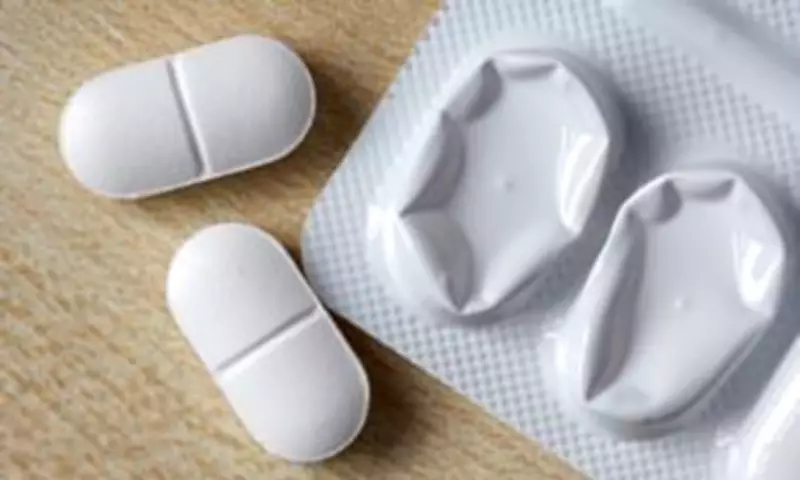
If you possess medication from this affected batch, you must verify that the dosage indicated on the individual blister strips matches the strength stated on the outer packaging. Should you discover 5mg capsules inside a box labelled as 10mg, you should immediately return the entire medication package to your dispensing pharmacy. However, packs that are correctly labelled with matching blister strip dosages do not require any action.

Risk Assessment and Medical Implications
Despite the concerning nature of this packaging mix-up, medical experts have emphasized that the immediate risk to patient health remains very low. Ramipril is commonly prescribed for managing high blood pressure, heart failure, and certain kidney conditions, with both 5mg and 10mg doses being routinely utilized in standard treatment protocols.
This means that accidentally consuming a lower 5mg dose when a 10mg dose was prescribed is unlikely to cause sudden or life-threatening harm. The MHRA has clarified that any potential impact from the reduced dosage would be gradual rather than immediate. Patients who experience any adverse symptoms or feel unwell after taking their medication should seek prompt medical advice and bring their medicine with them to their healthcare appointment.
Healthcare Provider Instructions
Pharmacists and healthcare providers across the United Kingdom have received specific instructions to immediately cease supplying any remaining stock from the affected batch number GR174091. All healthcare professionals have been directed to return any existing inventory of this batch to the appropriate channels.
Official Statement from Regulatory Authorities
Dr Alison Cave, the MHRA's Chief Safety Officer, provided clear guidance: 'If you take Ramipril 10mg, check the packaging for batch number GR174091. If the carton contains blister strips labelled as Ramipril 5mg, contact your dispensing pharmacy immediately. If they are correctly labelled as 10mg, no further action is needed.'
Ramipril belongs to the pharmaceutical class known as ACE inhibitors, which function by relaxing and widening blood vessels to effectively lower blood pressure. This medication ranks among the most frequently prescribed drugs within the National Health Service, with tens of millions of prescriptions issued annually throughout the United Kingdom. Current estimates place Ramipril within the top five most commonly prescribed medications across the entire NHS system.
Historical Context and Previous Incidents
This latest recall follows a similar incident earlier this year involving Ramipril 5mg packs that were mistakenly filled with an entirely different blood pressure medication. In that previous case, regulators similarly assessed the risk to patients as low, though they acknowledged some individuals might experience dizziness if their blood pressure dropped excessively due to the medication substitution.
The recurring nature of these packaging errors highlights ongoing challenges in pharmaceutical manufacturing quality control processes, particularly when multiple dosage strengths of the same medication are produced within the same facility. Regulatory bodies continue to monitor these situations closely to ensure patient safety remains the paramount concern in all medication distribution channels.