Theramex Faces Public Censure Over HRT Safety Failures
The UK's drug industry self-regulatory body has issued a stark public reprimand against Theramex, a major hormone replacement therapy (HRT) producer, citing systemic failures that compromised patient safety. The Prescription Medicines Code of Practice Authority (PMCPA) found the company breached compliance standards 21 times, with issues including outdated prescribing information and inadequate pregnancy warnings.
Alarming Compliance Breaches Uncovered
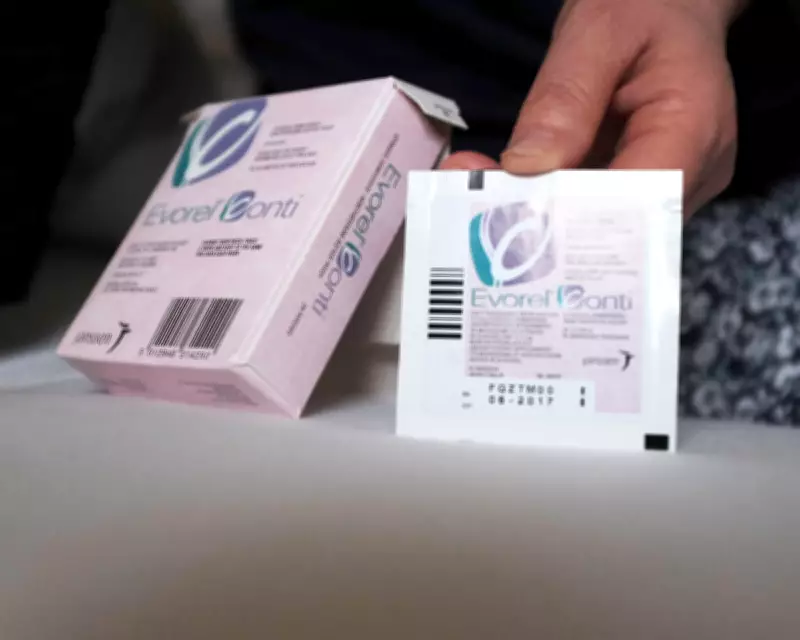
According to the PMCPA, Theramex, which manufactures HRT products Evorel and Intrarosa, failed to update crucial prescribing information for years and did not clearly state that certain drugs must not be used during pregnancy. The investigation was triggered by whistleblowers within the company who raised concerns over incomplete and alarming data that jeopardised patient welfare.
Evorel patches, containing estradiol, are among the most prescribed transdermal HRT treatments, with over 250,000 items issued in the last financial year. Overall, nearly 10 million items of estradiol-based products were prescribed in 2024/25, highlighting the widespread impact of these safety lapses.

Specific Failures and Industry Backlash
The PMCPA detailed multiple breaches, including:
- Failing to provide comprehensive side-effect information for Evorel.
- Not updating Intrarosa's product information since 2019.
- Omitting pregnancy warnings in advertising for Yselty, a drug used to treat uterine fibroids.
The panel concluded that these actions not only endangered patients but also brought discredit upon the pharmaceutical industry, reducing public confidence. In response, Theramex has withdrawn from the PMCPA's jurisdiction, a move criticised as delaying regulatory oversight.
Regulatory and Industry Responses
Dr Amit Aggarwal, medical director of the Association of the British Pharmaceutical Industry (ABPI), stated that Theramex fell seriously short of expected standards, justifying the PMCPA's action. He expressed disappointment over the company's exit from the self-regulatory system, which enforces standards beyond legal requirements.
Julian Beach of the Medicines and Healthcare products Regulatory Agency (MHRA) assured that leaving the PMCPA does not exempt companies from scrutiny, noting the MHRA's legal powers to investigate and act on safety concerns, with breaches potentially constituting criminal offences.
Theramex's Defence and Future Steps
A spokesperson for Theramex emphasised the company's commitment to ethical standards and patient safety, claiming prompt action was taken to address historical issues. They cited a comprehensive review, independent audit, and enhancements to their compliance framework. Theramex stated that withdrawing from the PMCPA in January 2026 allows focus on regulation by the MHRA while upholding industry codes.
This case underscores ongoing challenges in pharmaceutical regulation, with implications for HRT users and broader industry practices.