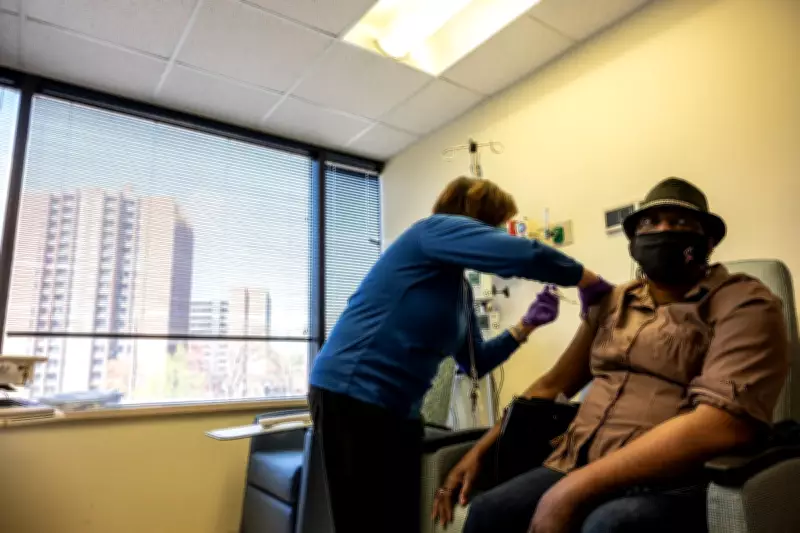
In the ongoing battle against cancer, which has persisted since ancient Egyptian times, a new frontier has emerged with the advent of mRNA vaccines. These innovative treatments, which utilise messenger RNA molecules to train the body's immune system to combat dangerous invaders, represent a significant leap forward in medical science. Originally developed in the 2010s, mRNA vaccines gained widespread recognition during the COVID-19 pandemic, and now researchers are harnessing this technology to target one of humanity's most formidable foes: cancer.
Breakthroughs in Clinical Trials
Recent clinical trials have demonstrated the potential of mRNA vaccines to transform cancer treatment. In one notable study, an mRNA vaccine significantly extended the lives of patients suffering from pancreatic cancer, a disease known for its poor prognosis. Additionally, new research indicates that these vaccines can trigger cancer-killing responses through multiple mechanisms, enhancing their effectiveness.
Last summer, scientists reported that an mRNA vaccine amplified the effects of tumour-fighting drugs, bringing the medical community closer to developing a universal vaccine that could mobilise the immune system against various forms of cancer. "It's exciting," remarked Elizabeth Jaffee, deputy director of the Sidney Kimmel Comprehensive Cancer Center at Johns Hopkins University. "There's been a number of successes in early-stage, positive trials."

The Staggering Impact of Cancer
According to the American Cancer Society, projections for this year are grim, with an estimated 626,140 deaths from cancer in the United States alone, alongside 2.1 million new cases. These statistics underscore the urgent need for advanced treatments like mRNA vaccines, which could potentially save countless lives by offering new hope to patients with limited options.
Political and Financial Hurdles
Despite the promising advancements, the future of mRNA cancer vaccines faces significant obstacles, primarily due to political decisions and funding uncertainties. The Trump administration's cancellation of $500 million in vaccine development last August sparked controversy, with health experts warning that such moves could endanger lives. Health Secretary Robert F. Kennedy, Jr. defended the action, stating it aimed to redirect funds toward "safer, broader vaccine platforms that remain effective even as viruses mutate."
Kennedy falsely claimed that mRNA vaccines "fail to protect effectively against upper respiratory infections like Covid and flu," a statement that drew sharp criticism from the scientific community. Bill Hanage, an epidemiology professor at Harvard, labelled these remarks as "nonsense," highlighting that mRNA vaccines have saved millions of lives globally during the pandemic.
Funding Shifts and New Initiatives
In response to the outcry, the Department of Health and Human Services has taken steps to support cancer vaccine research. The National Cancer Institute is now funding a $200 million public-private partnership to conduct trials on vaccines that initiate immune responses against tumours. Dr. Anthony Letai, director of the NCI, expressed optimism, noting, "What's exciting about this is that there are early signals from clinical trials that we can actually have an impact even in some very difficult settings where we have very little to offer patients."
However, Press Secretary Emily Hilliard reiterated the administration's stance, explaining that HHS has reduced investments in mRNA vaccines for upper respiratory viruses due to perceived inefficacy against mutating strains and a desire to reinvest in other technologies. This decision has raised concerns among researchers about the adequacy of funding for critical cancer studies.
The High Cost of Progress
Clinical research for mRNA cancer vaccines is notoriously expensive, and experts argue that current funding levels are insufficient. Dr. Nora Disis, Director of the Cancer Vaccine Institute, emphasised this point, noting that "$200 million will go fast without a clear strategy." She compared this to the $12 billion spent on Operation Warp Speed for COVID-19 vaccines, urging for greater investment to accelerate trials and development.

Currently, Moderna is conducting trials on patients with high-risk melanoma, with other U.S. studies recruiting participants for lung cancer and melanoma treatments. Yet, without sustained financial support, these efforts risk stalling, potentially delaying life-saving breakthroughs.
A Call to Action
As the medical community stands on the cusp of a potential revolution in cancer therapy, the interplay between scientific innovation and political will remains critical. While mRNA vaccines offer a beacon of hope in reducing cancer mortality, their trajectory hinges on robust funding and supportive policies. With millions of lives at stake, the need for decisive action and investment has never been more pressing.