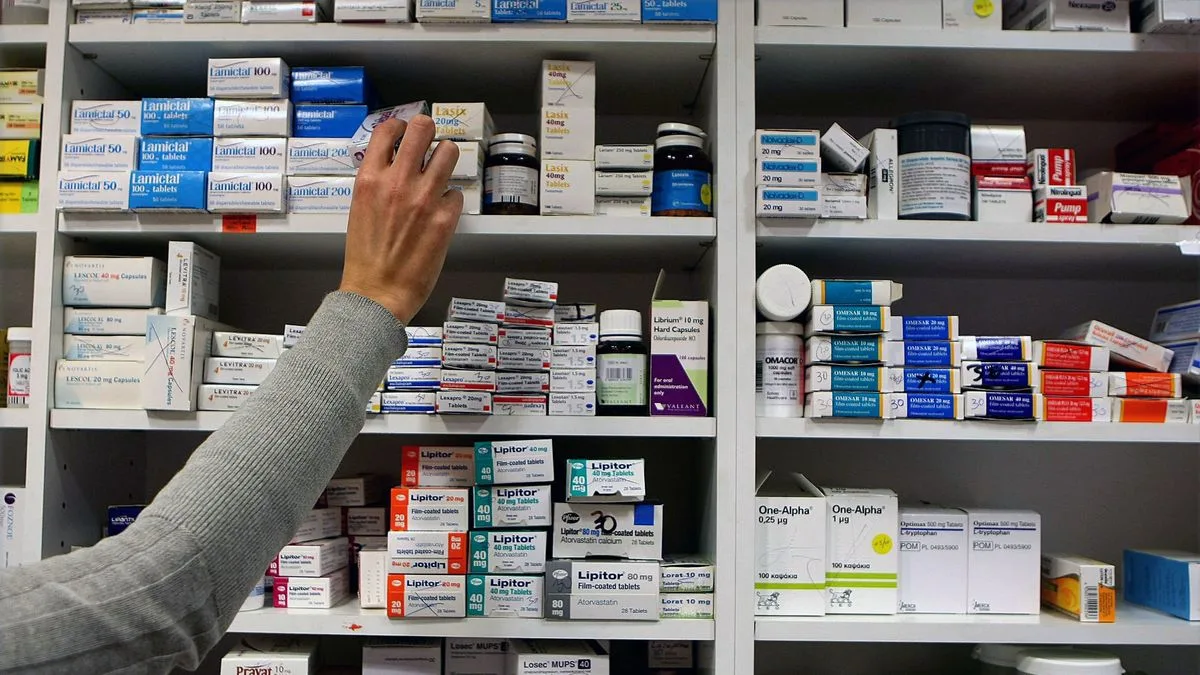
Pharmacists Urge Medicine Stockpiling Amid Iranian Strait Blockade
Britain should immediately begin stockpiling essential medicines due to Iran's blockade of the Strait of Hormuz, pharmacists have urgently warned. The Independent Pharmacies Association, representing 5,000 pharmacies across England and Wales, has written to Health Secretary Wes Streeting expressing grave concerns about impending shortages.
Critical Supply Chain Disruption
Many common medications including aspirin, paracetamol, ibuprofen and numerous antibiotics rely on petroleum-based ingredients and other raw materials sourced from the Middle East region. The Strait of Hormuz serves as one of the world's most vital shipping routes, and current tensions have raised serious fears about rising crude oil prices and significant disruptions to international trade.
Dr Leyla Hannbeck, chief executive of the Independent Pharmacies Association, stated: "Community pharmacies are already feeling the strain of fragile global supply chains. Any disruption to these supplies increases production costs and slows manufacturing, which quickly translates into lower availability on pharmacy shelves."
Existing Shortages Worsening
Some painkillers including co-codamol and opioids are already experiencing supply shortages. Dr Hannbeck emphasized that at a time when several key medicines are already difficult to obtain, the Iranian blockade could make an already challenging situation far worse.
The supply chain issues caused by Iranian attacks could impact essential treatments that millions rely on daily, including:
- Common blood pressure medicines such as propranolol
- Cholesterol treatments to prevent heart attacks and strokes
- A wide range of antibiotics and pain relief medications
UK Market Vulnerabilities
Dr Hannbeck highlighted additional economic factors making the UK particularly vulnerable: "Many generic medicines are sold at extremely low prices in the UK. While this has helped control costs for the NHS, it has made the UK a less attractive market for some manufacturers. When global supply is constrained, companies often prioritise countries where prices are higher, leaving the UK at the back of the queue."
She explained that when stock does appear, prices can suddenly spike by hundreds of percent, forcing pharmacies to pay inflated costs just to keep patients supplied with essential medications.
Call for Immediate Government Action
The pharmacists' association has called for the government to take immediate action, including:
- Preventing the export or hoarding of 150 medicines already identified as those in shortest supply
- Implementing strategic stockpiling measures
- Strengthening domestic manufacturing capabilities
A Department of Health and Social Care spokesman responded: "The vast majority of the UK's licensed medicines are in good supply. To ensure this remains the case, we are investing more in the domestic medicine manufacturing industry and strengthening resilience through financial incentives. We have well-established processes to mitigate risks, including using alternative medicines when available, and are actively engaging with partner countries to bolster supply chains."
The situation remains fluid as tensions around the Strait of Hormuz continue, with pharmacists warning that without immediate intervention, medicine shortages could significantly impact public health across the United Kingdom.




