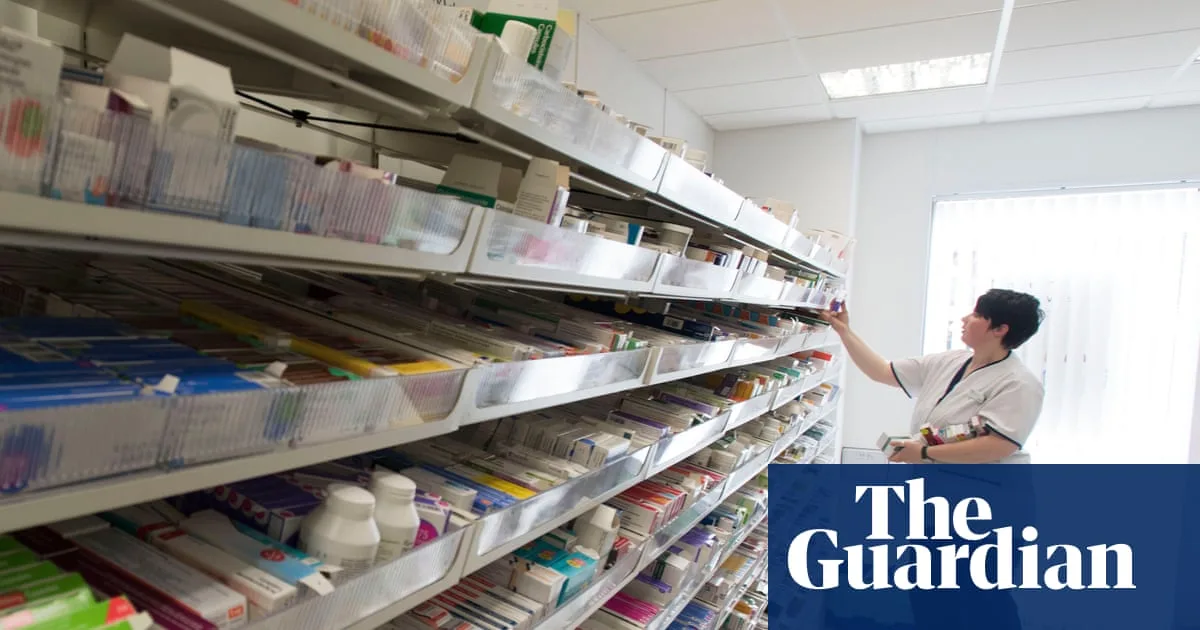
Pharmacies in England have reported price increases of up to 30% for common medicines such as paracetamol and hay fever treatments since the war in Iran began in February, according to the National Pharmacy Association (NPA). The conflict has driven up manufacturing and transport costs, with wholesale prices for some drugs doubling temporarily.
The NPA, representing 6,000 community pharmacies, said over-the-counter prices for paracetamol and cetirizine tablets have risen by 20-30% since February. Some pharmacies have run out of certain strengths of aspirin and co-codamol, while others have stopped selling aspirin altogether due to supply constraints that predate the war.
Olivier Picard, chair of the NPA, reported that the wholesale price for a pack of 100 500mg paracetamol tablets jumped from 41p to £1.99 by late March, before easing to £1.09. For cetirizine, his purchase price nearly doubled from 19p to 37p per pack of 30 tablets, with some distributors charging up to £3. These increases have been passed on to consumers, with a 32-pack of paracetamol rising from £1.19 to £1.50 in some pharmacies.
The war has also doubled air freight costs, affecting one in five NHS medicines that arrive by air, and disrupted supplies of petroleum derivatives from the Gulf used in many medications. Manufacturers of generic drugs, operating on low margins, have raised prices, increasing the NHS medicines bill. In March, a record 230 items were on the government's price concessions list, including blood pressure drugs and antidepressants, but paracetamol and cetirizine were not included, forcing pharmacies to dispense at a loss.
Picard advised against panic buying, warning it could worsen shortages and drive prices higher. He noted that 1,400 pharmacies have closed since 2020, with closures continuing at a rate of one or two per week. The NPA warns that further price increases are likely if the Strait of Hormuz, a key shipping route for petrochemicals, remains closed.