The Ripple Effect: How Weight Loss Drugs Are Transforming Multiple Sectors
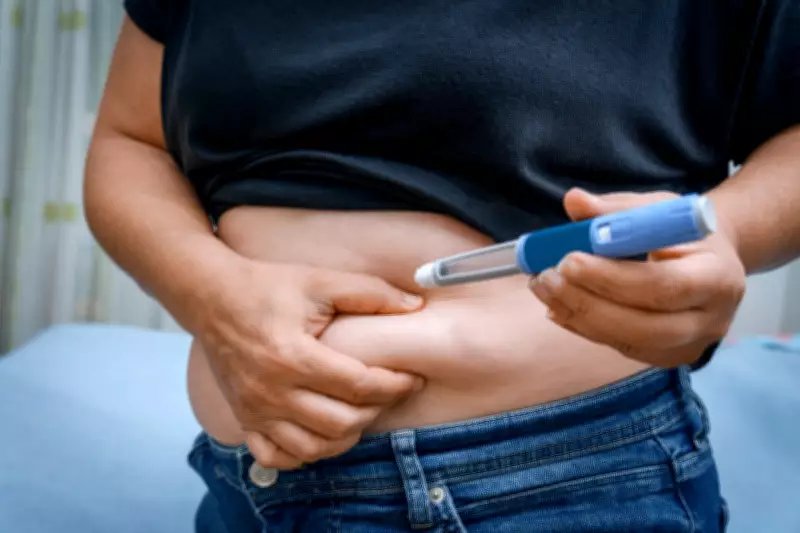
The disruptive influence of weight loss medications extends far beyond individual health outcomes, creating profound economic and cultural shifts across numerous industries. With one in eight American adults now reportedly using GLP-1 agonists like Ozempic and Wegovy, according to a November survey by health policy organisation KFF, these pharmaceuticals are generating billions in revenue while simultaneously altering consumer behaviour patterns.
Appetite Suppression Creates Grocery and Fast Food Headaches
Studies consistently demonstrate that GLP-1 usage leads to significant reductions in food expenditure. Households with at least one GLP-1 user witnessed their grocery spending decline by over five percent within six months, as revealed in a December study published in the peer-reviewed Journal of Market Research. A separate January study by consulting firm Bain & Company confirmed this trend, showing that American consumers taking these medications spend approximately five percent less on fast food.
Registered dietitian Nicolette Pace, based in New York, explains that weight loss fundamentally changes eating habits and appetite. "When they're losing weight, people sometimes go, 'I'm not as hungry' ... and 'I just don't eat as much as I used to,'" she told The Independent. Dr Will Haas, a board-certified integrative medicine physician in North Carolina, adds that GLP-1s impact the brain's reward centres, diminishing cravings for ultra-processed foods.

The financial implications are substantial. Financial analysis firm Redburn Atlantic warned CBS News that McDonald's could potentially lose up to twenty-eight million customer visits and $482 million annually due to growing GLP-1 popularity. Some food companies are responding with new marketing approaches, labelling products as "GLP-1 friendly," though these designations remain unregulated, requiring consumers to exercise caution and consult healthcare professionals.
Beverage Consumption Declines and Fashion Faces Sizing Challenges
The impact extends beyond solid foods to beverages. Dr Haas notes that many patients report reduced alcohol cravings and lower consumption. A March 2025 survey by EY-Parthenon found that approximately forty-four percent of GLP-1 users drink less after starting medication, with eighty-two percent maintaining these habits even after cessation. Forbes reported that alcohol stock declines last summer may partially reflect rising GLP-1 usage, with Brown-Forman, producer of Jack Daniel's whiskey, citing weight loss drugs among pressures facing the industry.
Fashion and retail sectors are experiencing unprecedented disruption. A September study from Impact Analytics revealed steadily rising sales of smaller sizes, reversing previous trends toward larger sizing. Returns have increased correspondingly, creating inventory challenges. Impact Analytics founder Prashant Agrawal warned that "billions of dollars in retail margins for inventory are at risk unless brands start planning for the shopper of 2027, instead of the shopper of 2022." Some retailers are already adjusting, with men's clothing line Regent Row founder Avneet Singh noting stores are "putting fewer extended sizes on the rack."
Airlines Benefit While Fitness and Beauty Industries Adapt
Unexpected beneficiaries include airlines, as reported by Wall Street firm Jefferies. Slimmer passengers reduce aircraft weight, potentially saving top U.S. carriers up to $580 million in fuel costs over the next year. The firm noted airlines' historical vigilance around weight savings, from pitless olives to paper stock adjustments.
Meanwhile, fitness and beauty industries are adapting strategically. Gym owners express optimism about GLP-1s benefiting their sector, with companies like Life Time creating tailored fitness programmes for medication users. Life Time's chief science officer Jim LaValle emphasised that "if you're going to succeed with GLP-1s, you're going to have to learn how to exercise ... and have proper dietary guidance." The beauty industry is responding to reported side effects like dry skin, with Vogue noting companies developing GLP-1 specific skincare products.

As these medications transition from injectables to pill forms, potentially increasing accessibility, their multifaceted impact across industries appears poised to intensify, creating both challenges and opportunities for businesses navigating this new landscape.