The US Food and Drug Administration (FDA) is poised to initiate a significant review of its regulatory stance on over half a dozen unapproved peptide injections, substances that have gained considerable popularity among wellness influencers, celebrities, and health enthusiasts. This review, scheduled for July, marks a potential shift in policy that could ease current restrictions on these compounds.
Background and Regulatory Context
Under the administration of President Joe Biden, the FDA previously imposed strict limitations on these peptide injections, citing significant safety risks and a notable absence of extensive human testing to validate their efficacy and safety profiles. These peptides are often marketed with claims related to muscle building, injury recovery, and anti-ageing benefits, yet many lack robust scientific research or formal FDA approval for such uses.
Influence of Robert F. Kennedy Jr. and Industry Pushback
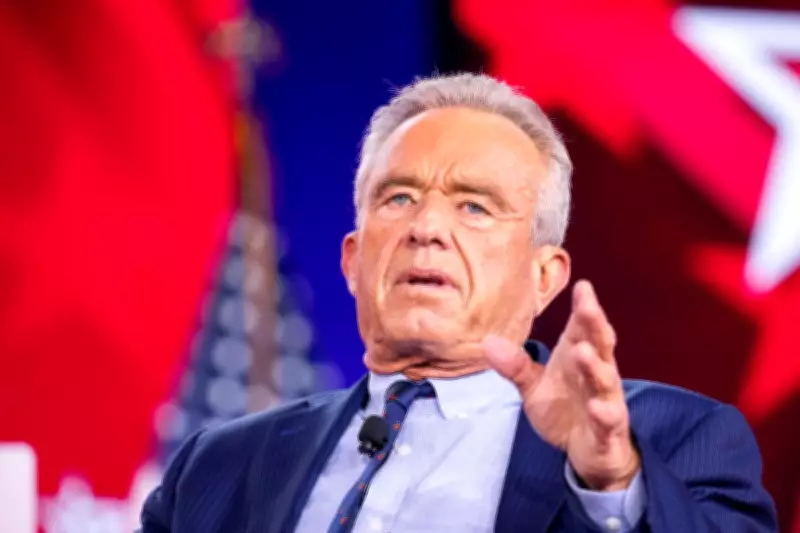
The upcoming review has been heavily influenced by advocacy from Health Secretary Robert F. Kennedy Jr., who has publicly endorsed peptides and reportedly used them personally. His pledges to loosen regulations have added momentum to the push for reconsideration. Additionally, the compounding industry and wellness entrepreneurs have voiced strong opposition to the existing restrictions, arguing that they inadvertently foster an unregulated grey market for imported chemicals, which may pose even greater risks to consumers.

Implications and Future Considerations
If the FDA decides to reverse the ban, it could lead to increased availability of these peptides through more regulated channels, potentially reducing the prevalence of unsafe, imported alternatives. However, critics warn that without stringent oversight and further research, easing restrictions might expose the public to unknown health hazards. The debate highlights the ongoing tension between innovation in wellness trends and the need for evidence-based regulatory frameworks to protect consumer safety.