FDA to Reconsider Restrictions on Popular Peptide Injections
The U.S. Food and Drug Administration (FDA) is preparing to review potential easing of restrictions on more than half a dozen peptide injections. These unapproved therapies have gained significant popularity among wellness influencers, fitness experts, and celebrities seeking quick solutions for muscle building, injury recovery, and anti-aging effects.
Kennedy's Personal Advocacy and Political Pressure
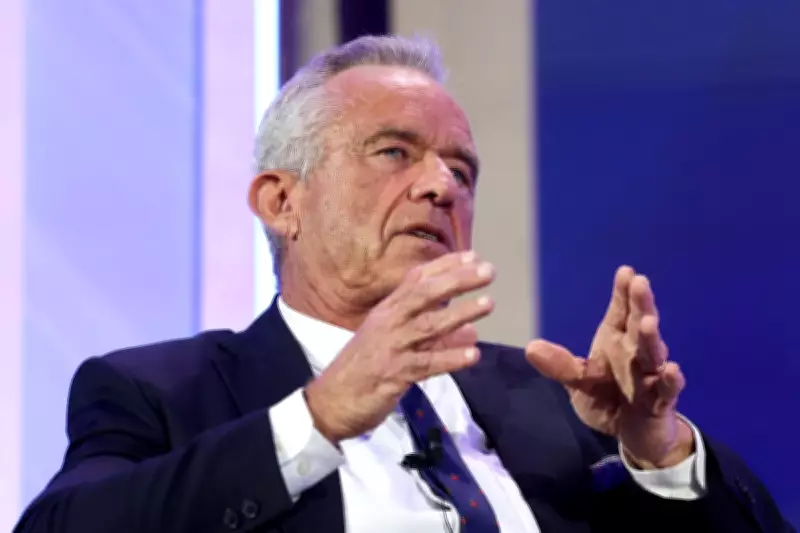
Health Secretary Robert F. Kennedy Jr. has repeatedly pledged to loosen regulations on peptides, discussing his personal use for injury treatment. Major supporters of his Make America Healthy Again movement are prominent advocates, including Gary Brecka, a self-described "longevity expert" who sells various peptide formulas through his website.
The FDA announced in a federal notice that it will convene a panel of outside pharmacy advisers in July to review seven specific peptides. The central question will be whether these substances should be removed from a restrictive category reserved for risky, customized drugs.

The Peptides Under Review
The drugs under consideration include some of the most popular peptides among wellness circles, particularly BPC-157, which is marketed for injury healing and inflammation reduction. Other peptides include TB-500 and five additional substances.
During the Biden administration, the FDA added more than a dozen popular peptides to the federal list of substances that should not be produced by compounding pharmacies. These businesses specialize in mixing medications unavailable from conventional drug manufacturers.
At that time, FDA pharmacy advisers voted overwhelmingly that peptides did not meet safety criteria for compounding, with regulators later stating the substances "present significant safety risks" due to insufficient human testing.
Regulatory History and Safety Concerns
When the FDA restricted injectable peptides in 2023, it cited numerous safety risks including potential cancer development and liver, kidney, and heart problems. Pharmacies violating these restrictions face fines, legal action, or potential loss of state licenses.
Many FDA advisers and internal staff involved in those original decisions no longer work for the agency, creating an opportunity for regulatory reconsideration.
Industry Arguments and Market Dynamics
The compounding industry has argued for years that FDA restrictions have fostered an illicit market of imported chemicals from China and other countries, bypassing U.S. drug standards. On platforms like TikTok, overseas suppliers offer dozens of peptide varieties for as little as $5 per vial, typically labeled "for research use only" to circumvent FDA regulations.
Kennedy echoed these concerns during an interview with podcast host Joe Rogan, stating: "With the gray market you have no idea if you're getting a good product. And a lot of this stuff that we've looked at is just very, very substandard."
Political Support and Industry Expansion
Several members of Congress, including Republican Senator Tommy Tuberville of Alabama, sent letters to Kennedy last year requesting he lift peptide production limits. Meanwhile, some dietary supplement manufacturers have begun incorporating peptides into capsules, protein powders, and gummies, arguing for expanded federal definitions of supplements to include newer ingredients.
Wellness clinics have capitalized on peptide popularity, offering in-office injections or IV infusions with monthly membership fees reaching thousands of dollars. Despite international sports authorities banning substances like BPC-157 and TB-500 as doping agents, peptides maintain a strong foothold in the alternative wellness marketplace.
The FDA notice cites several potential medical applications for the substances under review, including using BPC-157 to treat ulcerative colitis. This represents a significant shift from previous regulatory positions that emphasized safety concerns over unproven benefits.