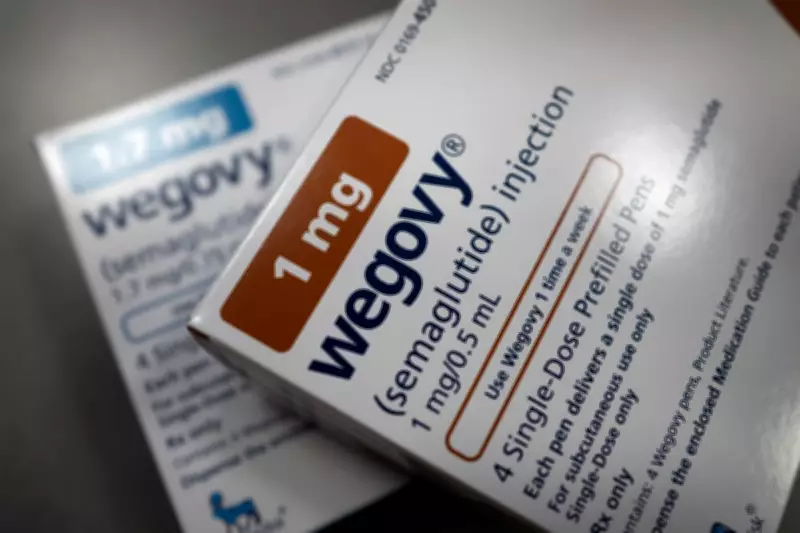
FDA Grants Accelerated Approval for Higher-Dose Wegovy Obesity Treatment
Federal regulators in the United States have approved a new, higher-dose version of the popular obesity medication Wegovy, following an accelerated review process. The U.S. Food and Drug Administration (FDA) has given the green light to a 7.2-milligram dose of semaglutide, manufactured by Danish pharmaceutical company Novo Nordisk. This represents a significant increase from the previously highest approved dose of 2.4 milligrams, which is administered as a weekly injection.
Rapid Review and Availability Timeline
The approval came through the FDA's ultra-fast drug review program, with the agency granting authorization just 54 days after the review request was accepted. According to official statements, this accelerated pathway allowed for quicker regulatory assessment while maintaining safety standards. The new higher-dose formulation, marketed as Wegovy HD, is scheduled to become available at pharmacies across the United States in April, with pricing details to be announced by the company at that time.
Enhanced Efficacy and Weight Loss Results
Clinical trial data published in the Lancet Diabetes & Endocrinology journal demonstrated that participants taking the higher 7.2-milligram dose achieved approximately 19% body weight reduction over nearly 17 months. This equates to an average loss of about 47 pounds, compared to the 16% reduction (approximately 39 pounds) observed with the standard 2.4-milligram dose. European drug regulators had already approved the higher-dose version in February, indicating international recognition of its potential benefits.

Medical experts have noted that while the existing 2.4-milligram dose proves effective for many patients, some individuals do not reach their therapeutic weight loss goals at that dosage level. The development of the higher concentration addresses this treatment gap, offering an alternative for those requiring more substantial intervention.
Medical Community Response and Considerations
Dr. Jody Dushay, an endocrinologist and obesity specialist at Harvard Medical School, welcomed the FDA's decision while expressing cautious optimism. "This higher-dose option may be particularly beneficial for patients who tolerate the lower-dose version well but have experienced suboptimal weight loss outcomes," she explained via email correspondence. Dr. Dushay further suggested that the increased dosage could prove helpful for individuals who do not respond robustly to the maximum dose of Eli Lilly's competing obesity drug Zepbound.
However, she emphasized that moving from 2.4 milligrams to 7.2 milligrams represents "quite a big jump" without an intermediate dosage option available. "It will be important to monitor whether side effects manifest differently in real-world clinical practice compared to controlled study environments," Dr. Dushay noted, highlighting the need for ongoing post-approval surveillance.
Safety Profile and Reported Side Effects
The clinical study revealed that adverse effects were more prevalent with the higher-dose formulation. Gastrointestinal issues including nausea, vomiting, and constipation affected over 70% of participants taking the 7.2-milligram dose, compared to more than 60% with the lower dose and approximately 43% receiving placebo treatment.
Additionally, approximately 23% of higher-dose users reported experiencing paresthesia—unpleasant skin sensations characterized by burning, stabbing, or electric shock-like feelings. This contrasted with just 6% of lower-dose recipients and less than 1% of placebo group participants reporting similar symptoms.
Serious adverse events were documented in nearly 7% of those administered the 7.2-milligram dose during the trial, versus about 11% with the 2.4-milligram dose and approximately 5% in the placebo cohort. These figures underscore the importance of careful patient selection and monitoring when prescribing the enhanced formulation.

Broader Treatment Landscape and Future Implications
This approval follows the FDA's December authorization of an oral Wegovy pill containing 25 milligrams of semaglutide, designed for absorption through the digestive system. The expanding Wegovy portfolio reflects growing pharmaceutical investment in obesity therapeutics, a market experiencing significant demand amid rising global obesity rates.
While the higher-dose option offers promising weight loss potential for appropriate candidates, medical professionals stress that obesity medications like Wegovy may require lifelong administration to maintain results. Patients and healthcare providers must weigh the enhanced efficacy against the increased side effect profile when considering treatment options.