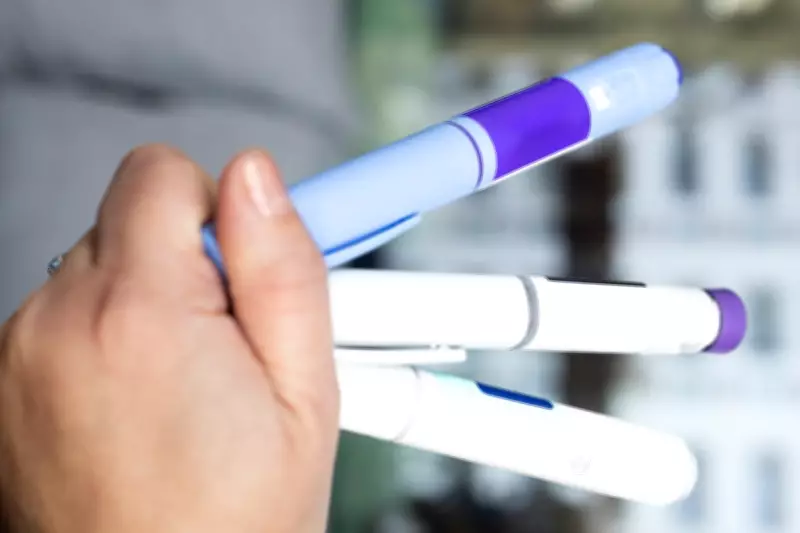
Survey Reveals Alarming Scale of Counterfeit Weight-Loss Drug Problem
A new poll conducted by the National Pharmacy Association has uncovered a dangerous trend in the weight-loss medication market. The survey, which involved approximately 100 pharmacies across Britain, found that nearly two in five pharmacies have served patients who unknowingly purchased counterfeit weight-loss injections within the past twelve months.
The NPA represents around 6,000 pharmacies nationwide, and their research indicates that criminal enterprises are exploiting the surging demand for these medications. Approximately one in ten pharmacies reported that their online presence had been cloned by illicit sellers over the same period.
The level of concern among healthcare professionals is exceptionally high, with 95.2 percent of pharmacists expressing worry about the illegal sale of these injections and the significant risks they pose to public health.

Seven Critical Red Flags for Identifying Fake Weight-Loss Injections
Sehar Shahid, an NPA board member, obesity specialist pharmacist, and founder of 24HR Pharmacy, has provided expert guidance on spotting counterfeit medications. Her own business was cloned by criminals, giving her firsthand experience with these deceptive practices.
1. Suspiciously Low Prices
"Prices will vary slightly between providers, but legitimate weight-loss medication typically starts from around £130 to £300," Shahid explains. "If you encounter an offer that appears far below this market range and seems too good to be true, exercise extreme caution. Such pricing often indicates the medication is not genuine."
2. Absence of Proper Consultation
A provider that does not conduct a thorough video or in-person consultation before prescribing weight-loss medication is displaying a clear warning sign. "All regulated providers must engage in a two-way dialogue with patients and complete a full medical history check," Shahid emphasizes.
This includes independently verifying the patient's weight, checking existing medical conditions and current medications, and assessing mental wellbeing to ensure the patient is fit to make treatment decisions and has no history of eating disorders.
3. Unusual Payment Requests
"Requests for bank transfers, PayPal payments, or Bitcoin transactions are usually red flags," Shahid warns. "All legitimate online pharmacies will require payment via card through a regulated payment gateway on their official website. They will not accept payments over the phone or through social media messaging. Transactions should always occur through a registered website to ensure patient protection."
4. Suspicious Domain Names
Criminals have become increasingly sophisticated at replicating legitimate websites. "Every regulated pharmacy must be registered with the General Pharmaceutical Council and display their registration number," Shahid notes. "Click through to the GPhC register and verify the exact web domain name under the 'more details' section. Illicit websites often add an extra letter or word to mimic the real domain."
5. Limited Communication Channels
Many criminal operations posing as pharmacies avoid direct communication with patients. "As a patient, you should be able to identify who is prescribing your medication," Shahid states. "If you have questions or concerns, you must be able to speak with someone directly by phone. Minimal contact is another significant warning sign."
6. Cloudy or Discolored Liquid
"With legitimate injections, the liquid should be perfectly clear," Shahid advises. "If the liquid appears cloudy, discolored, or contains visible particles, this is a definite red flag. I would always recommend patients avoid using any medication displaying these characteristics."
7. Compromised or Poor-Quality Packaging
"Packaging should always arrive completely sealed," Shahid stresses. "A broken seal suggests possible tampering. Additionally, discolored packaging, misaligned fonts, missing batch numbers or expiry dates, or generally poor-quality appearance can all indicate a counterfeit product."

The Serious Dangers of Counterfeit Weight-Loss Medications
Shahid highlights the critical differences between regulated and counterfeit drugs. "All licensed medications undergo rigorous clinical trials," she explains. "This process establishes proper dosages, identifies potential side effects, and confirms safe usage protocols."
"With fake, unregulated, or unapproved substances, you have no certainty about what you are introducing into your body. The correct dosage is unknown, potential side effects are undocumented, and proper administration methods are unclear. Consequently, individuals using unregulated products risk severe side effects and serious illness."
Proper consultation with a healthcare professional remains essential. "Weight-loss injections can interact dangerously with existing medications or medical conditions," Shahid adds. "The damage caused by an unregulated substance can be extremely difficult to reverse, making professional guidance indispensable for patient safety."